Computer Networking > EXAM > File Inclusion. Hack The Box Module 23 (All)
File Inclusion. Hack The Box Module 23
Document Content and Description Below
Last updated: 6 days ago
Preview 5 out of 38 pages
Instant download

Loading document previews ...
Buy this document to get the full access instantly
Instant Download Access after purchase
Reviews( 0 )
Document information
Connected school, study & course
About the document
Uploaded On
May 30, 2026
Number of pages
38
Written in
All

Additional information
This document has been written for:
Uploaded
May 30, 2026
Downloads
0
Views
10
Document Keyword Tags
Recommended For You
Get more on EXAM »
BSNC 1020 Module 2-3 Questions With Complete Grade A+ Answer...
BSNC 1020 Module 2-3 Actual Questions and Verified Answers ( I...
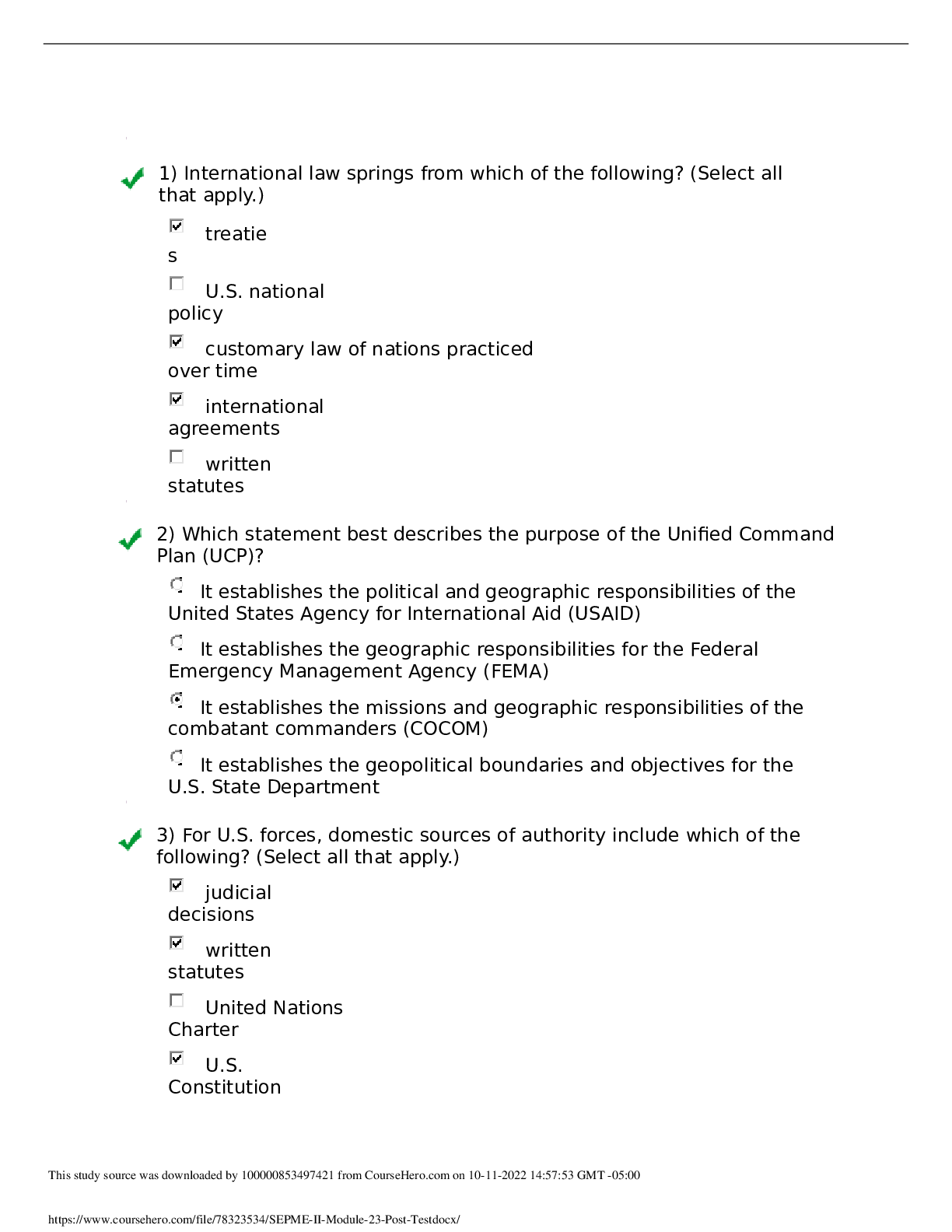
SEPME II Module 23 Post Test.docx | WITH 100% CORRECT ANSWERS
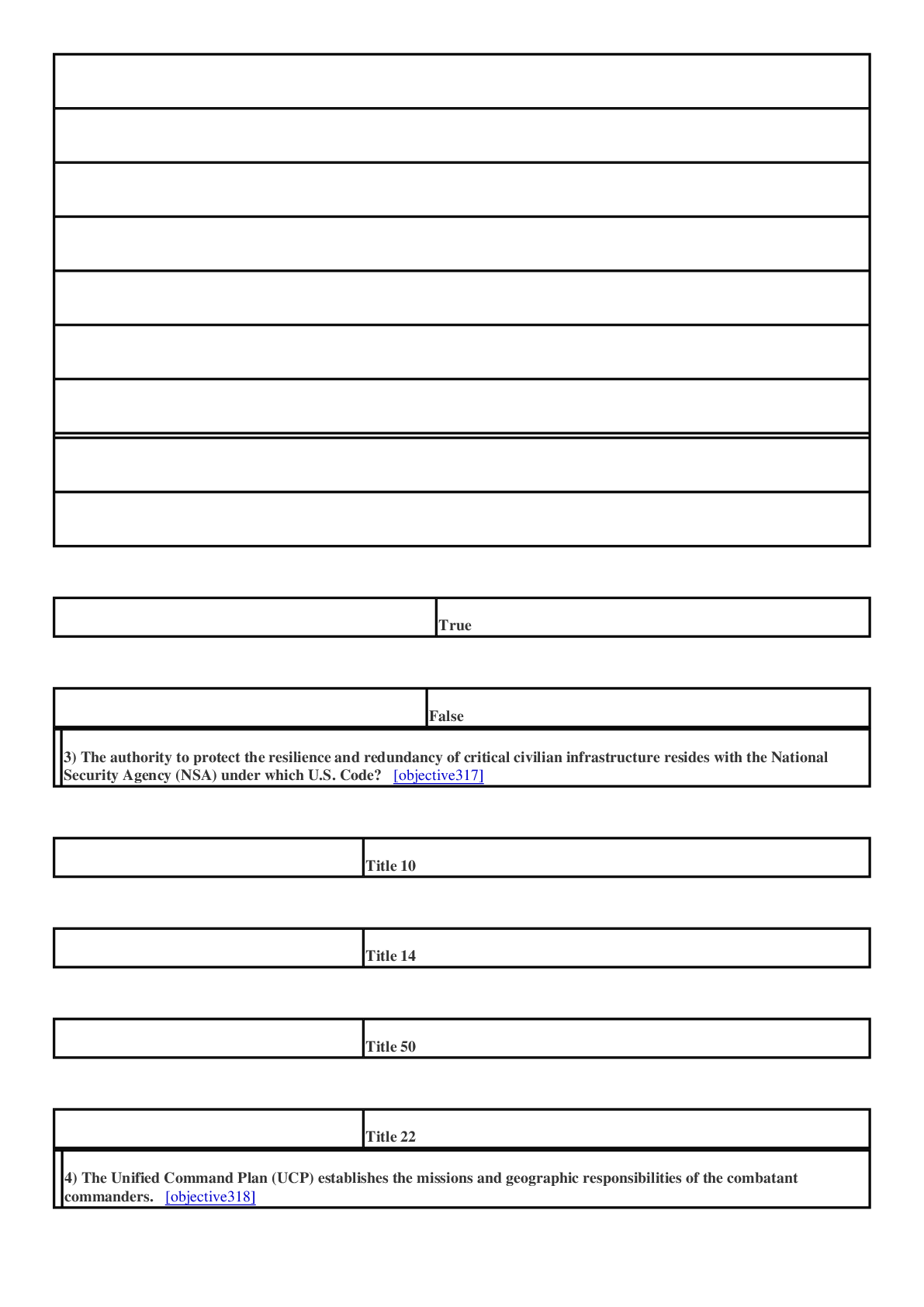
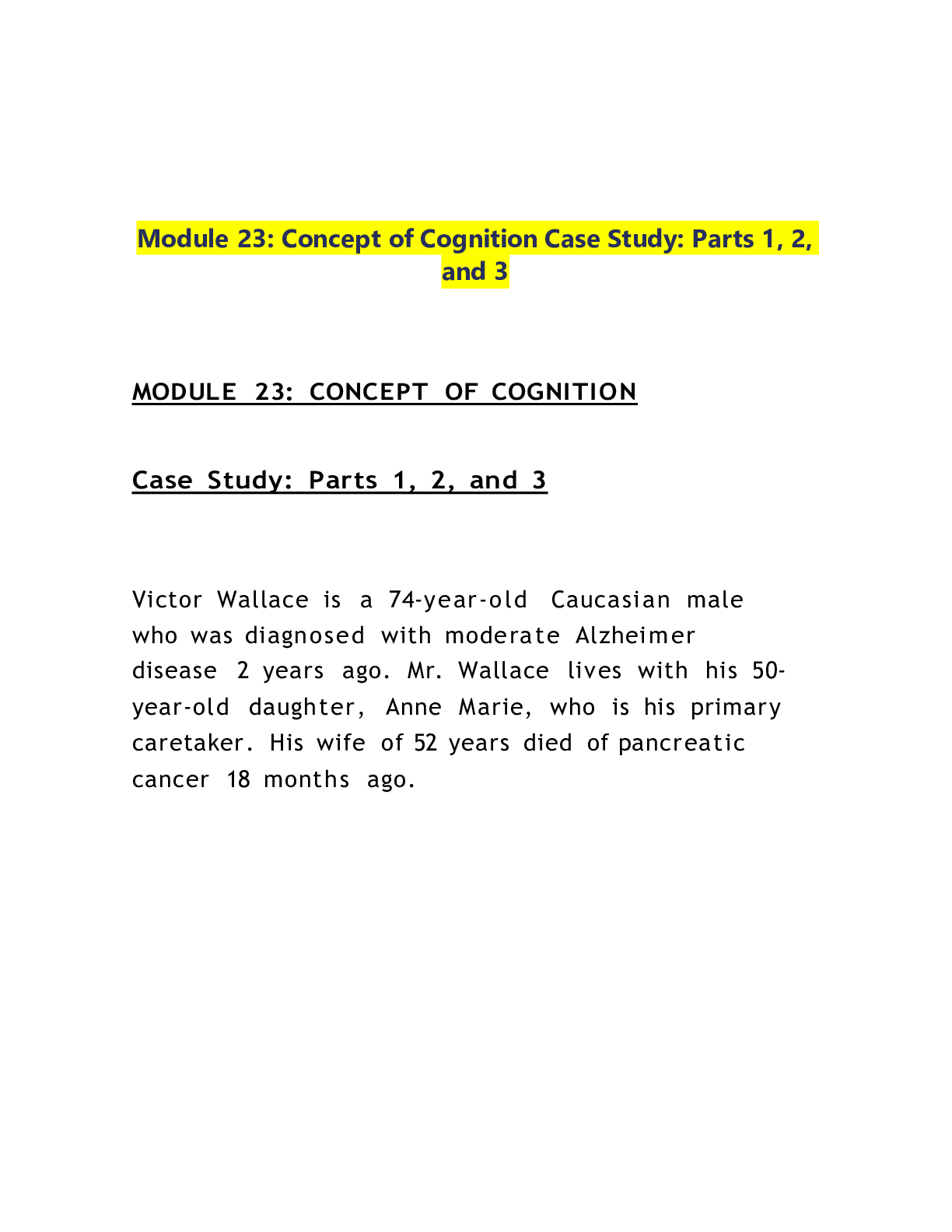
Module 23: Concept of Cognition Case Study: Parts 1, 2, and 3...
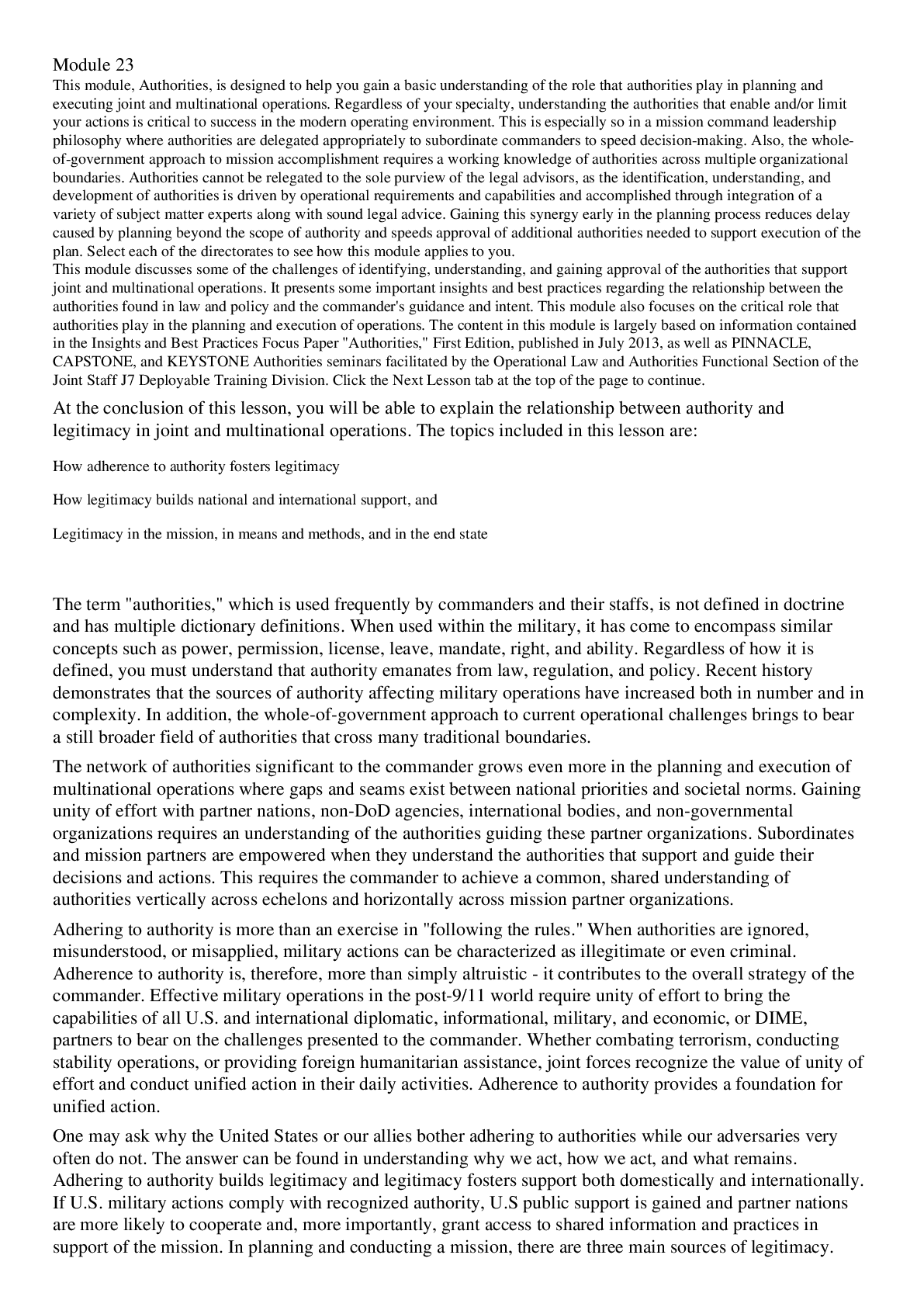

SEJPME II Module 23 (Post Test and Knowledge)-American Militar...
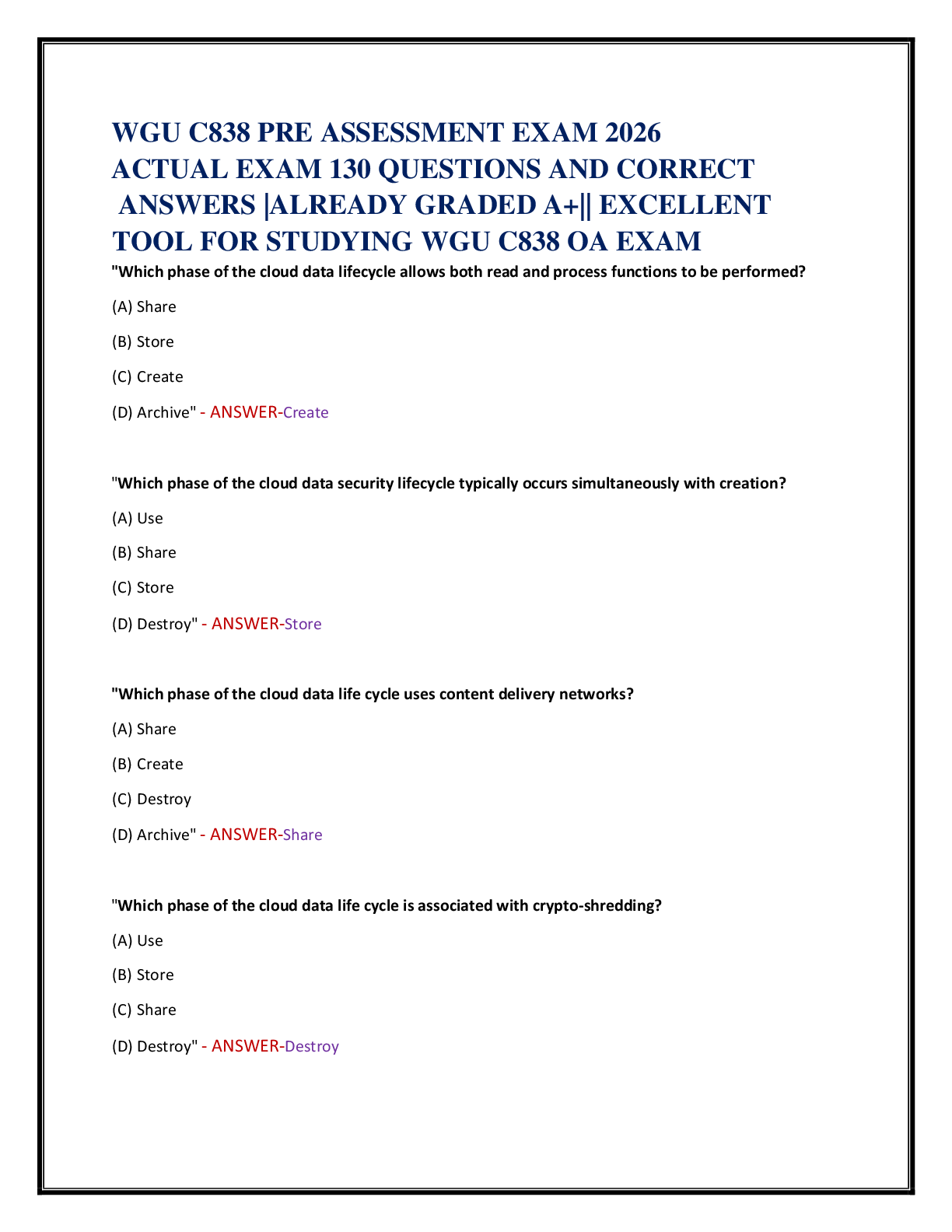
WGU C838 PRE ASSESSMENT EXAM 2026 ACTUAL EXAM 130 QUESTIONS...
Test Bank For An Introduction to Programming With C++ 6th Edit...
Test Bank for Computer Security Fundamentals 5th Edition By Wi...
Test Bank for Computer Security Fundamentals 4th Edition By Wi...

Blueprints Visual Scripting for Unreal Engine 5, 3rd Edition,...