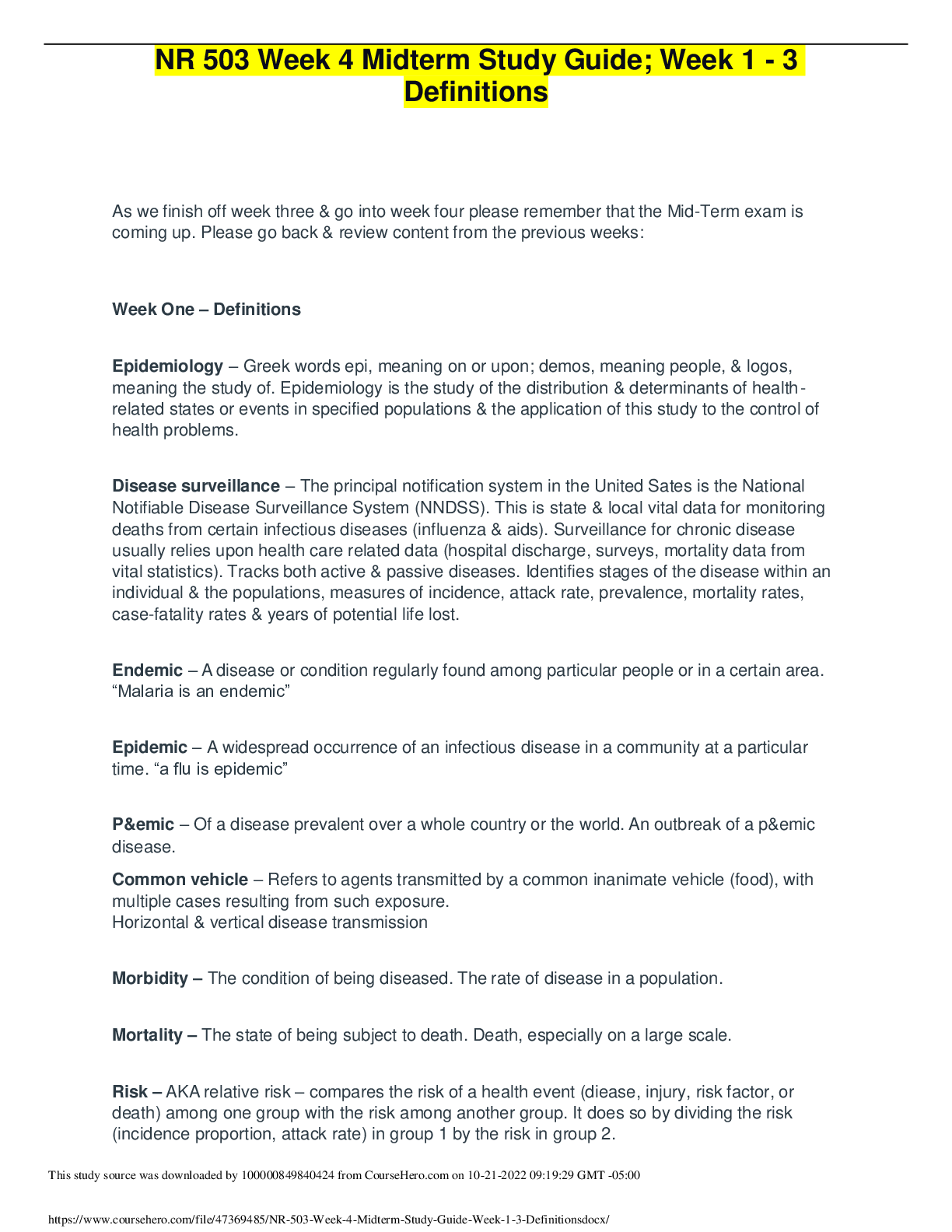
NR 503 Week 4 Midterm Study Guide; Week 1 - 3 Definitions.
As we finish off week three & go into week four please remember that the Mid-Term exam is coming up. Please go back & review content from the previous weeks
...
NR 503 Week 4 Midterm Study Guide; Week 1 - 3 Definitions.
As we finish off week three & go into week four please remember that the Mid-Term exam is coming up. Please go back & review content from the previous weeks:
Week One – Definitions
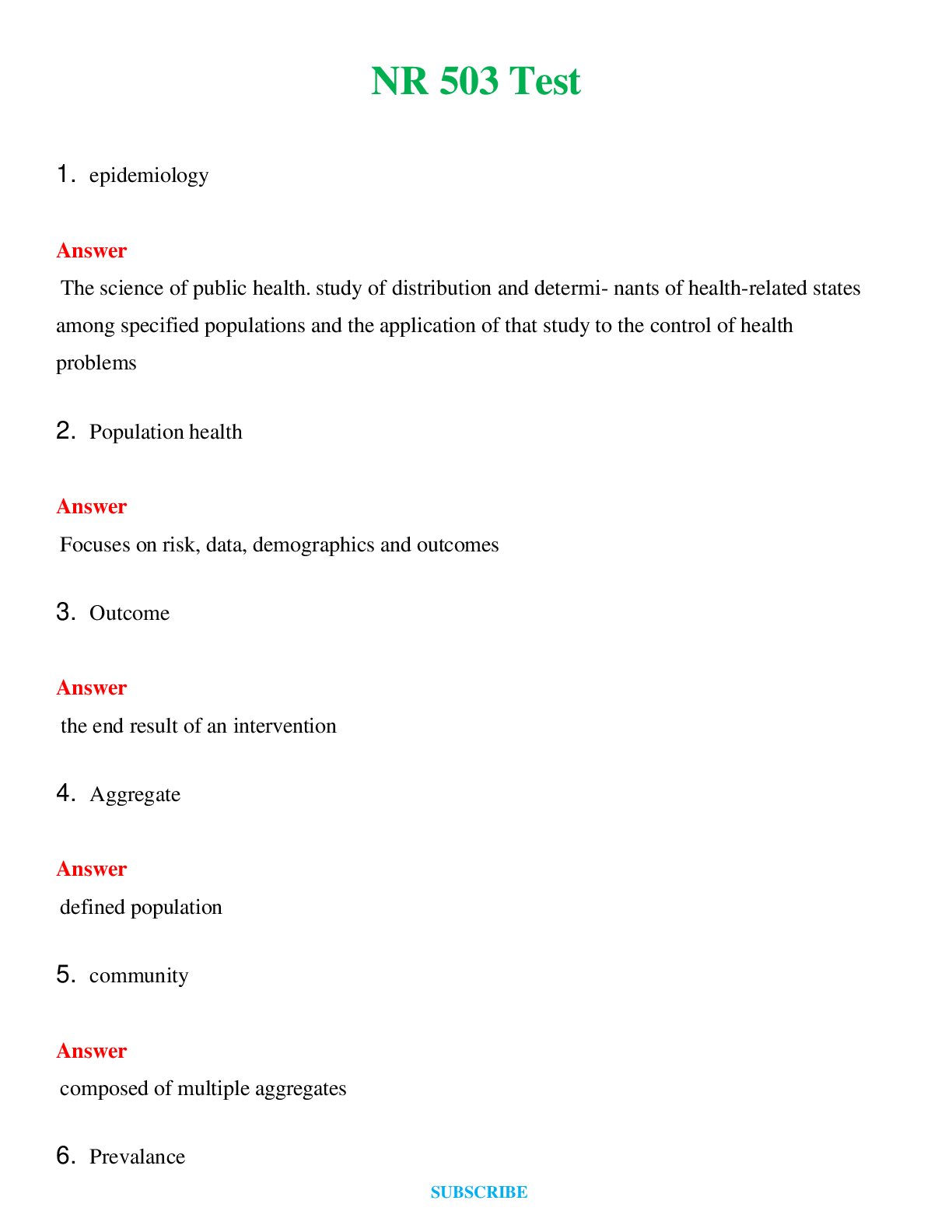
Epidemiology – Greek words epi, meaning on or upon; demos, meaning people, & logos, meaning the study of. Epidemiology is the study of the distribution & determinants of health- related states or events in specified populations & the application of this study to the control of health problems.
Disease surveillance – The principal notification system in the United Sates is the National Notifiable Disease Surveillance System (NNDSS). This is state & local vital data for monitoring deaths from certain infectious diseases (influenza & aids). Surveillance for chronic disease usually relies upon health care related data (hospital discharge, surveys, mortality data from vital statistics). Tracks both active & passive diseases. Identifies stages of the disease within an individual & the populations, measures of incidence, attack rate, prevalence, mortality rates, case-fatality rates & years of potential life lost.
Endemic – A disease or condition regularly found among particular people or in a certain area. “Malaria is an endemic”
Epidemic – A widespread occurrence of an infectious disease in a community at a particular time. “a flu is epidemic”
P&emic – Of a disease prevalent over a whole country or the world. An outbreak of a p&emic disease.
Common vehicle – Refers to agents transmitted by a common inanimate vehicle (food), with multiple cases resulting from such exposure.
Horizontal & vertical disease transmission
Morbidity – The condition of being diseased. The rate of disease in a population.
Mortality – The state of being subject to death. Death, especially on a large scale.
Risk – AKA relative risk – compares the risk of a health event (diease, injury, risk factor, or death) among one group with the risk among another group. It does so by dividing the risk (incidence proportion, attack rate) in group 1 by the risk in group 2.
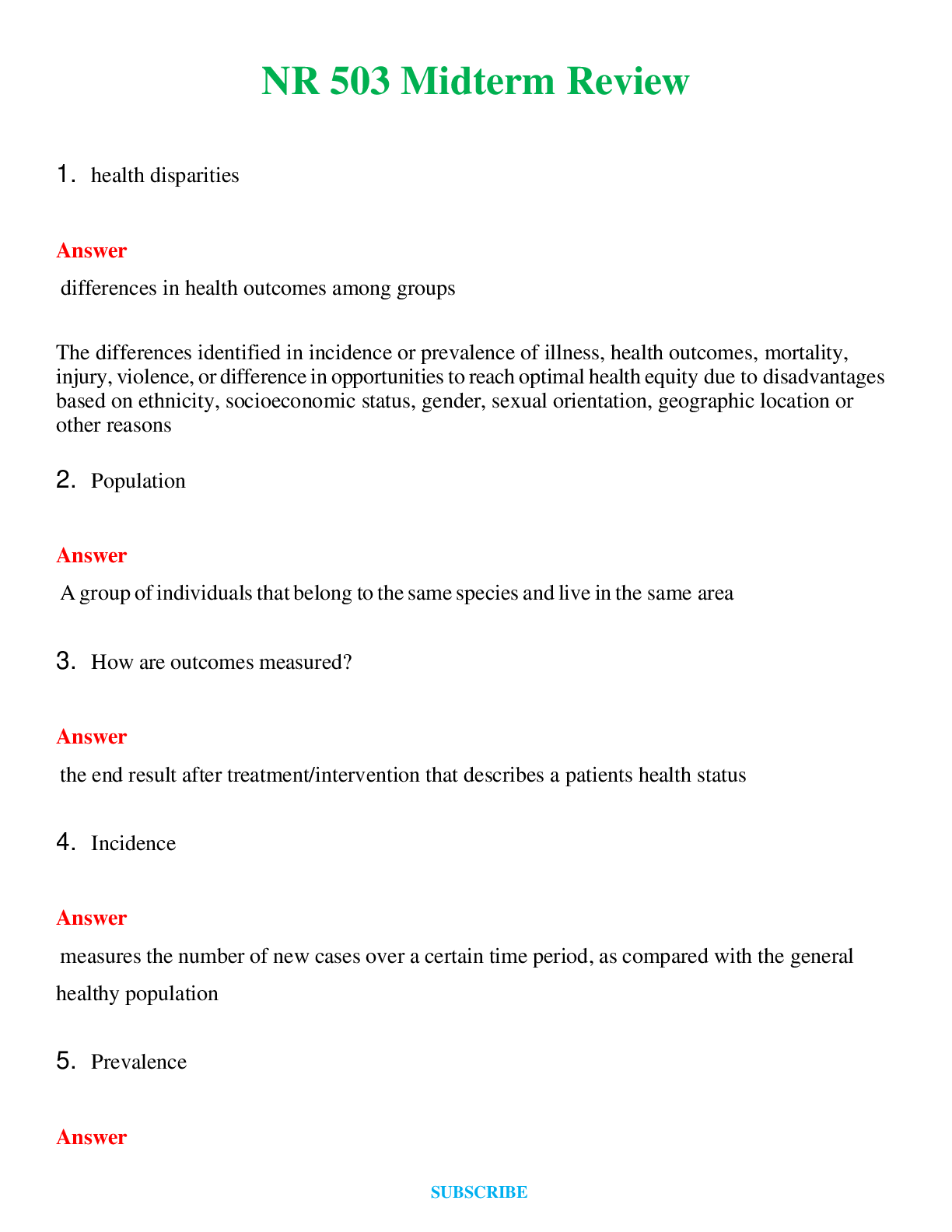
Incidence – a measure of the probability of occurrence of a given medical condition in a population within a specified period of time. Although sometimes loosely expressed simply as the number of new cases during some time period, it is better expressed as a proportion or a rate with a denominator.
Prevalence – Being widespread & it is distinct from incidence. It is a measurement of all individuals affected by the disease at a particular time, whereas incidence is a measurement of the number of new individuals who contract a disease during a particular period of time. The number of cases of a disease in a given time regardless of when it began. (new & old cases).
Mortality rates – A measure of the frequency of occurrence of death in a defined population during a specified interval.
Case-fatality rates – the proportion of people who die from a specified disease among all individuals diagnosed with the disease over a certain period of time.
Disease impact
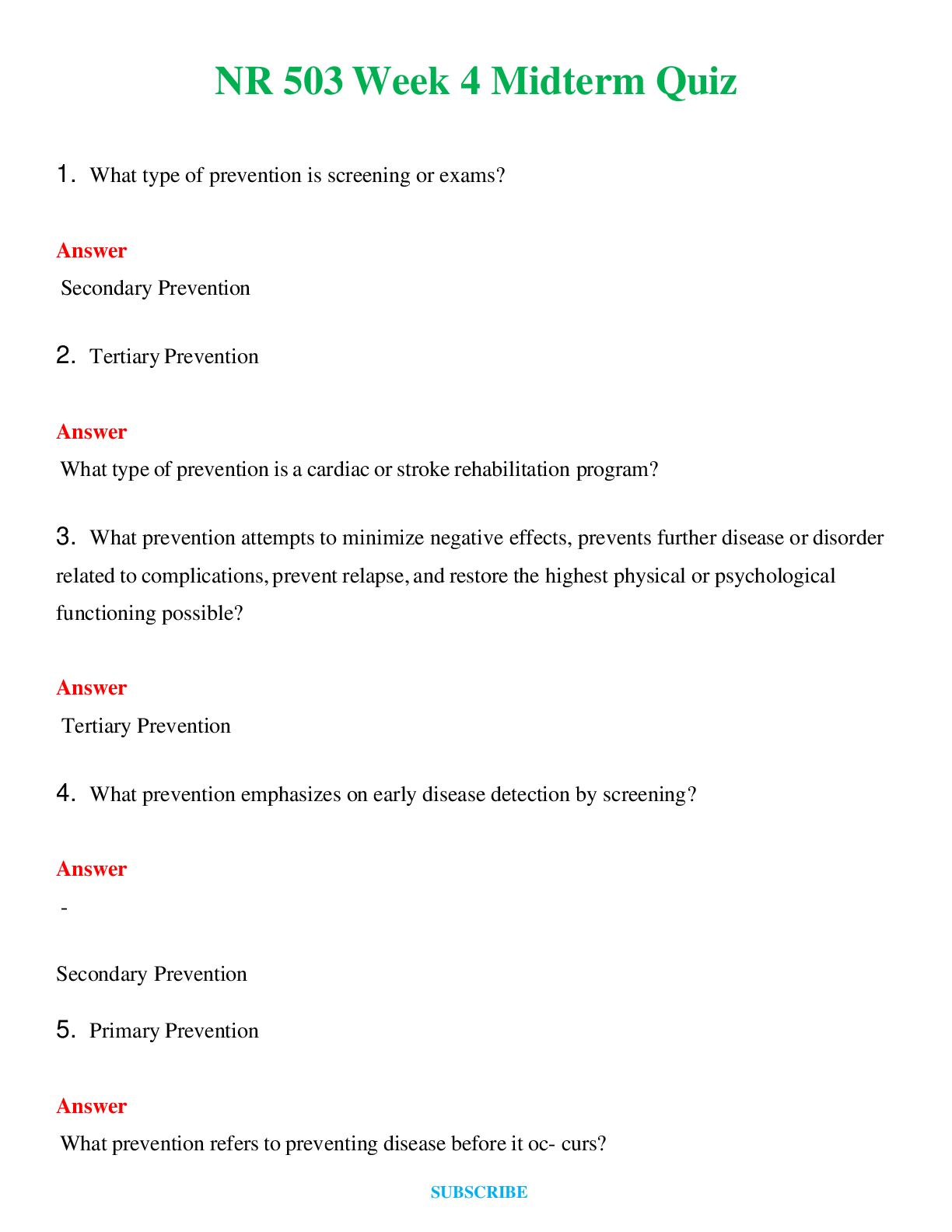
Primary – Aimed at individuals in the susceptibility stage. Refers to activities or measures both individual & communal that are directed at reducing the risk of exposure to a risk factor or health determinant in an individual or the population. Ex: Immunization.
Secondary – Measures focus on the sub-clinical stage & the early clinical stage. These measures enable early detection & prompt effective intervention to correct departures from a state of health. For Ex: BP screening or PAP smear.
Tertiary prevention – Measures are directed primarily at the recovery, disability or death stage
– although they are used to some extent at the clinical stage. The purpose is to reduce or eliminate long-term impairments & disabilities, minimize suffering optimize function, assist in adjusting to limitations in health & function resulting from the event & sometimes extend survival. For example: Treatment & Rehabilitation. Speech therapy following a CVA.
Identify at least two key sources of epidemiological data.
Week Two – Definitions
Validity – The validity of any screening test is the ability of that test to distinguish correctly who has a disease. Based on specificity & sensitivity.
Reliability
Sensitivity – The ability of a test to correctly identify those who have a disease. TRUE POSITIVES.
Specificity – The ability of a test to correctly identify those who do not have the disease. TRUE NEGATIVES.
Positive predictive value – A proportional value of the proportion of people in any given population who are screened as positive & who actually have the disease.
Negative predictive value – Also a proportion, but the opposite (& the probability that a result is a true negative). The number of true negatives divided by all of those who tested negative.
Descriptive epidemiology – Organizes data by time, place & person.
Magnitude – To underst& the magnitude of the problem you must identify the problem. Develop a conceptual framework for the underst&ing of the key determinants of the problem. Identify & develop strategies for intervention & set priorities & recommend intervention. Implement interventions & evaluate outcomes. Communicate strategy.
Person, time, & disease impact.
Obtaining population health information from different types of surveillance R&omized control trial based research including outcomes.
Outcome measures/study designs for epidemiological subfields such as infectious disease, chronic disease, environmental exposures, reproductive health, & genetics.
False Negative – Occurs when the test incorrectly reports the absence of disease when disease is in fact present.
Secondary prevention – Interventions aimed at detecting a disease early in its course.
Natural history of disease – Nature of the disease & how it progresses.
True positive – Occurs when the test correctly reports disease presence when disease is in fact present
Week Three – Definitions
Risk
Relative risk – AKA risk ratio is the ratio of the probability of an event occurring (for example, developing a disease, being injured), in an exposed group to the probability of the event occurring in a comparison, non-exposed group. Risk of disease in one group versus another. Risk of developing a disease after exposure. If this number is one, it means there is no risk. R(exposed)/Risk (unexposed).
Odds ratio - Is a measure of association between an exposure & an outcome. The OR represents the odds that an outcome will occur given a particular exposure, compared to the odds of the outcome occurring in the absence of that exposure. A measure of exposure & disease outcome commonly used in case control studies.
If you don’t underst& how to calculate rates, need to review.
[Show More]