Computer Science > ESSAY > Cyber fund. (All)
Cyber fund.
Document Content and Description Below
According to Module 12, Cyberspace is defined as the domain characterized by the use of
electronics and electromagnetic spectrum to store, modify and exchange data via network
systems and associated physical infrastruc
...
[Show More]
Last updated: 2 months ago
Preview 1 out of 3 pages
Instant download

Buy this document to get the full access instantly
Instant Download Access after purchase
Reviews( 0 )
Document information
Connected school, study & course
About the document
Uploaded On
Apr 22, 2021
Number of pages
3
Written in
All

Additional information
This document has been written for:
Uploaded
Apr 22, 2021
Downloads
0
Views
191
Document Keyword Tags
Recommended For You
Get more on ESSAY »

$16
1 Pages
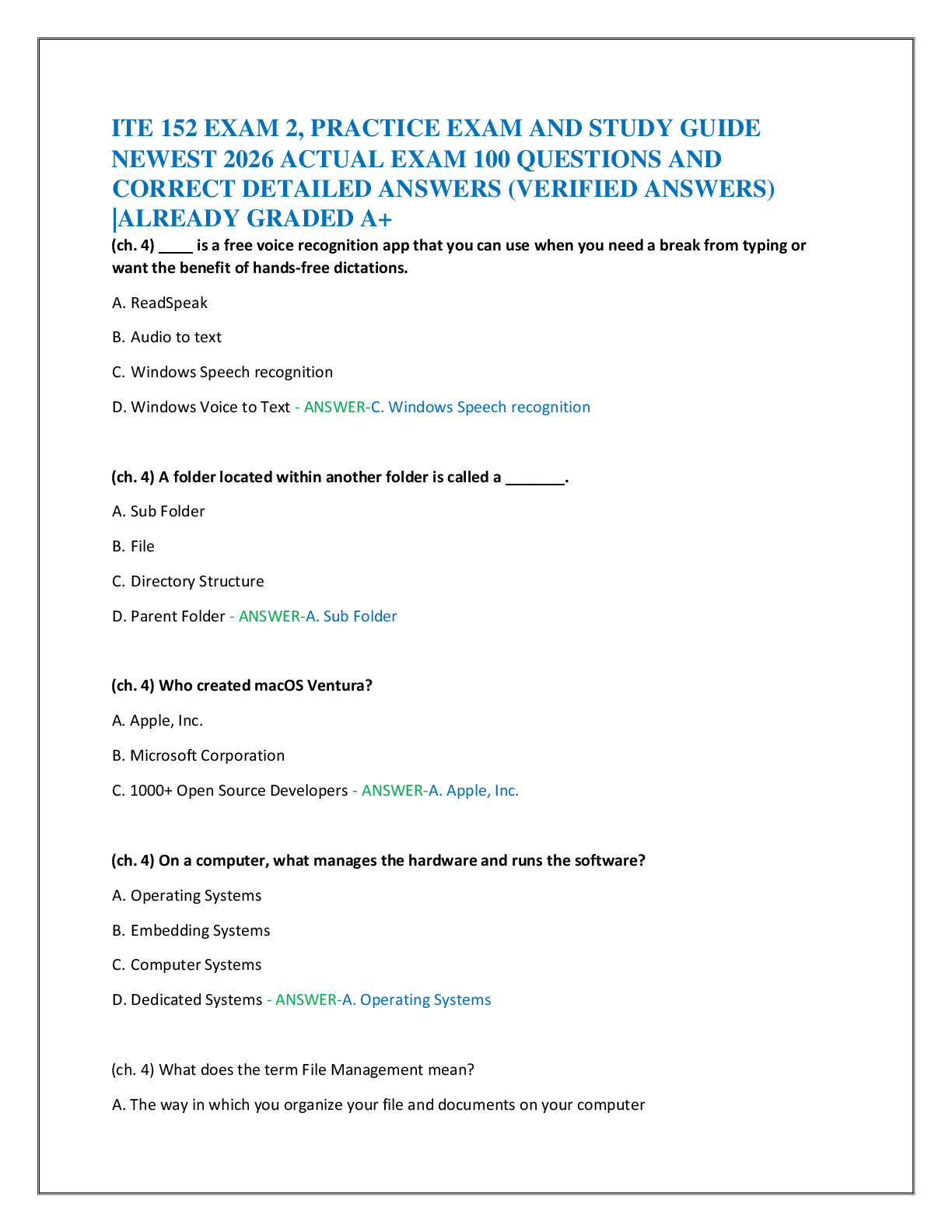
University of Maryland CMIT 369 WINDOWS SERVER INSTALL AND STO...


$11
17 Pages
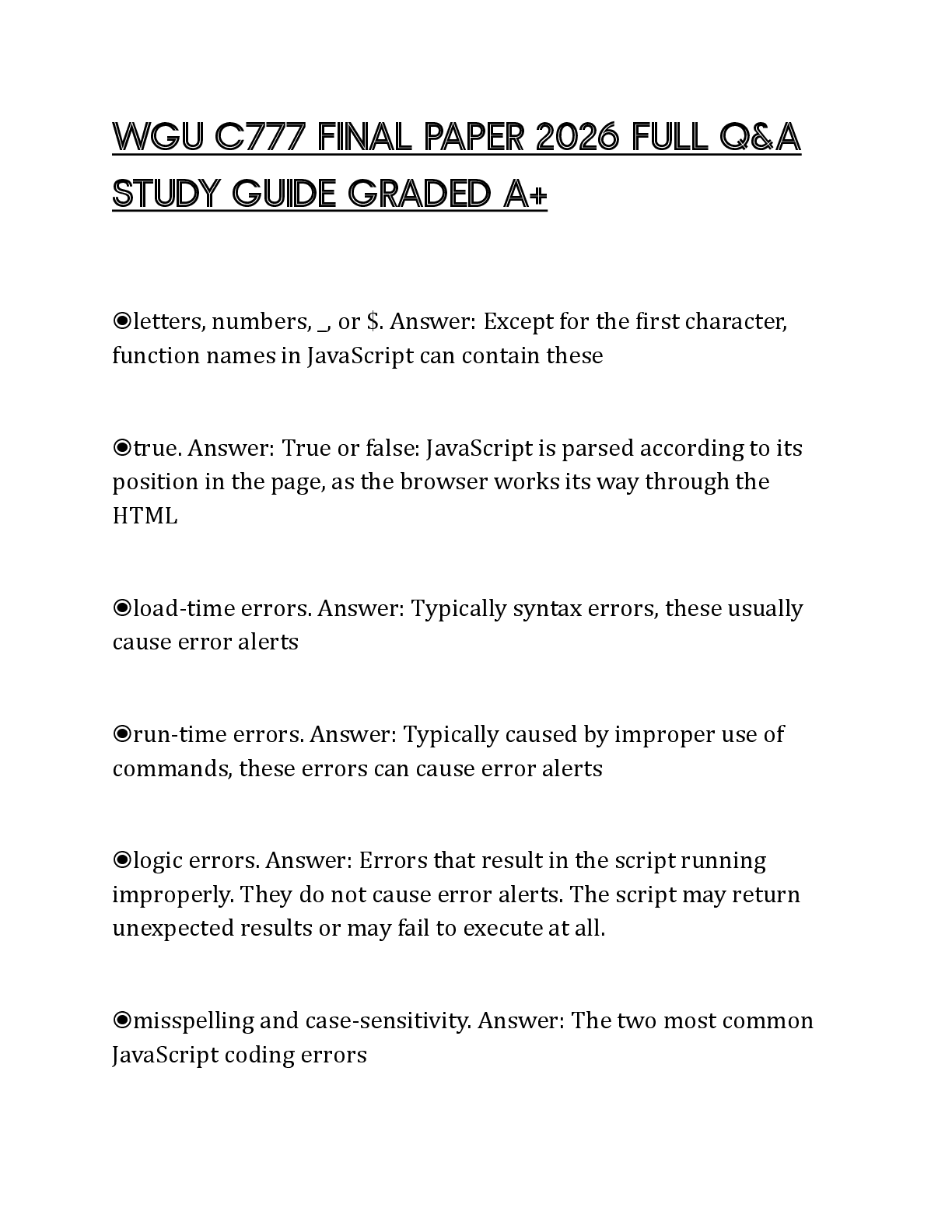
CMU 10-601 Machine Learning Midterm Exam Solutions | Carnegie...





$15.5
292 Pages
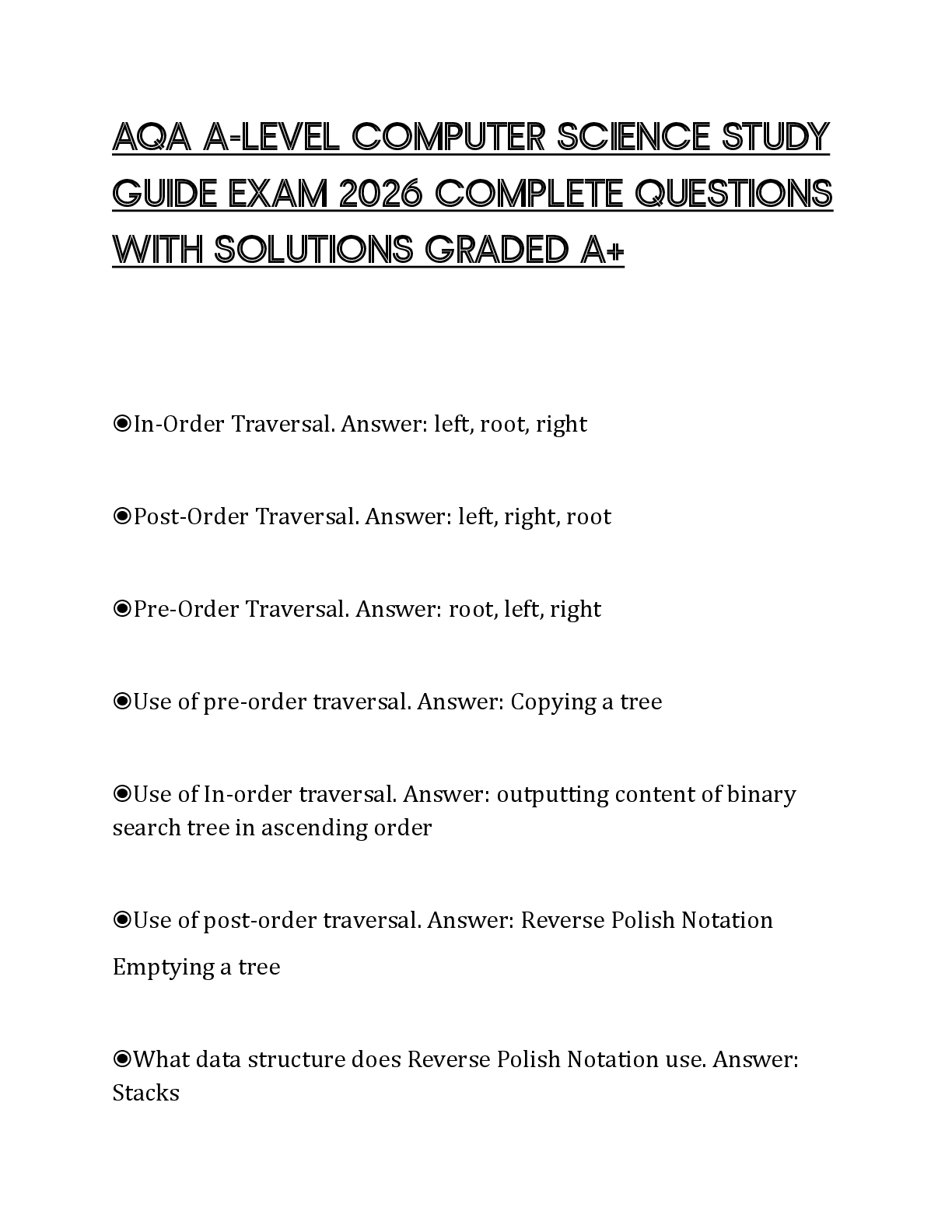
Test Bank: Maternal-Newborn Nursing: The Critical Components o...
$19
164 Pages
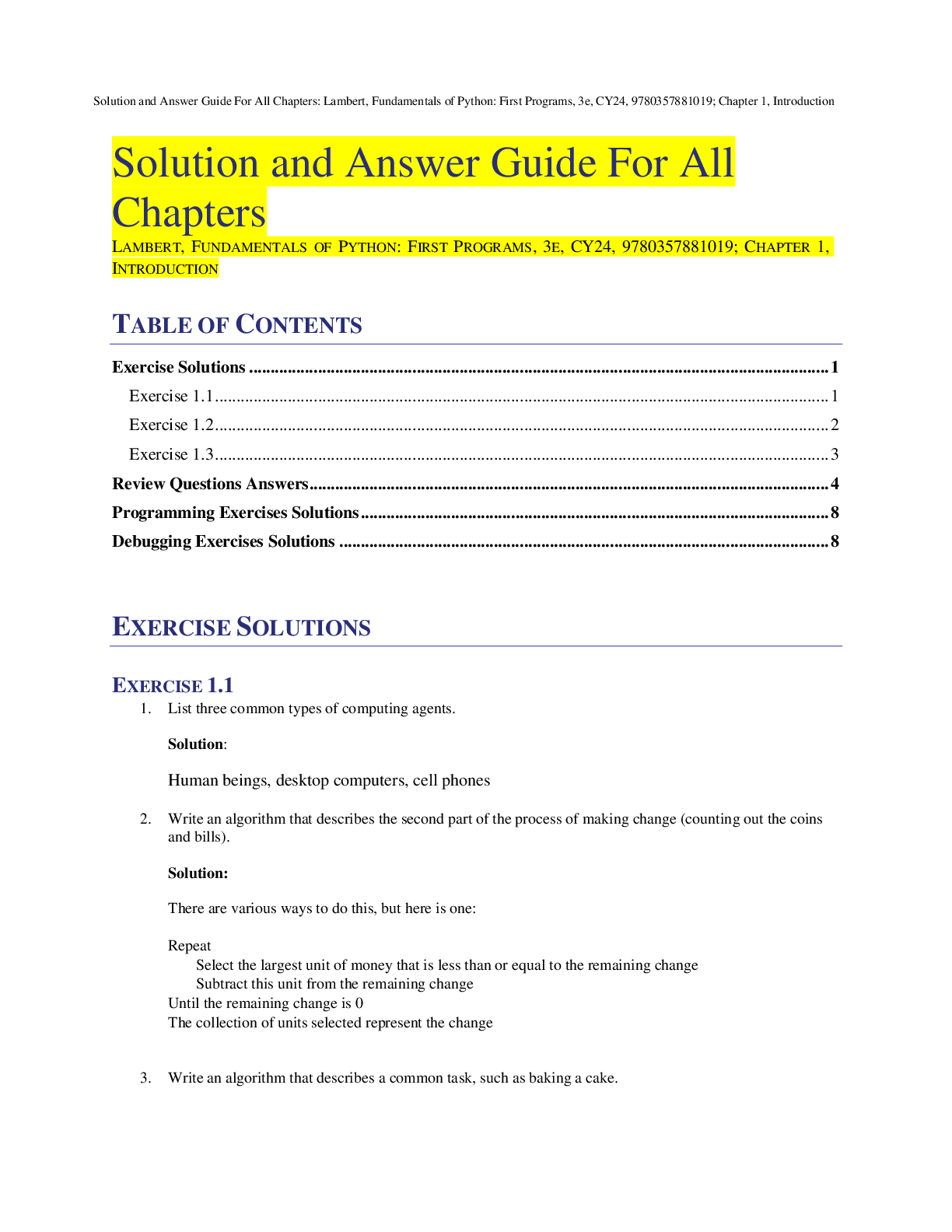
Solution & Answer Guide FOR Fundamentals of Python: First Prog...

$11
16 Pages