Political Science > ESSAY > “The idea of equality”- Bernard Williams (All)
“The idea of equality”- Bernard Williams
Document Content and Description Below
Last updated: 5 months ago
Preview 1 out of 3 pages
Instant download

Buy this Document to get the Full Access Instantly
Provided by Students Who Aced it
We Verify Document Content to Gurantee Accuracy
Reviews( 0 )
Document information
Connected school, study & course
About the document
Uploaded On
Apr 15, 2021
Number of pages
3
Written in
All

Additional information
This document has been written for:
Uploaded
Apr 15, 2021
Downloads
0
Views
262
Topic Tags
Related Subjects & Courses
Explore similar study resources and related concepts.
Recommended For You
Get more on ESSAY »
We The People An introduction to American politics 10th Editio...

Analyzing Politics Rationality, Behavior, and Institutions, 2e...
![Preview of [eBook] [PDF] Why Politics Matters An Introduction to Political Science 3rd Edition By Kev](https://scholarfriends.com/storage/gOoy9RCS2025-06-22-08-2968583d81d778a.png)
[eBook] [PDF] Why Politics Matters An Introduction to Politica...

POLI 330N Final Exam - Question and Answers 2019 - TEST BANK:...

TEST BANK for Worlds Together, Worlds Apart 5th Edition by Rob...
![Preview of eBook [PDF] A Novel Approach To Politics 5th edition By Douglas A. Van Belle](https://browseimages.nyc3.digitaloceanspaces.com/paper-images/2026/03/13/mkNPgW2H2026-03-13-01-3269b33f1a4c8a1.png)

Test Bank For Political Ideologies and the Democratic Ideal 12...
Test Bank For Texas Politics Today, Enhanced 19th Edition by M...
Test Bank For Community Policing A Contemporary Perspective 7t...
PDF Ebook Introducing Public Administration, 10th Edition by...

POS 486 FINAL EXAM_ POS486 Final Exam Questions and Answers(Gr...
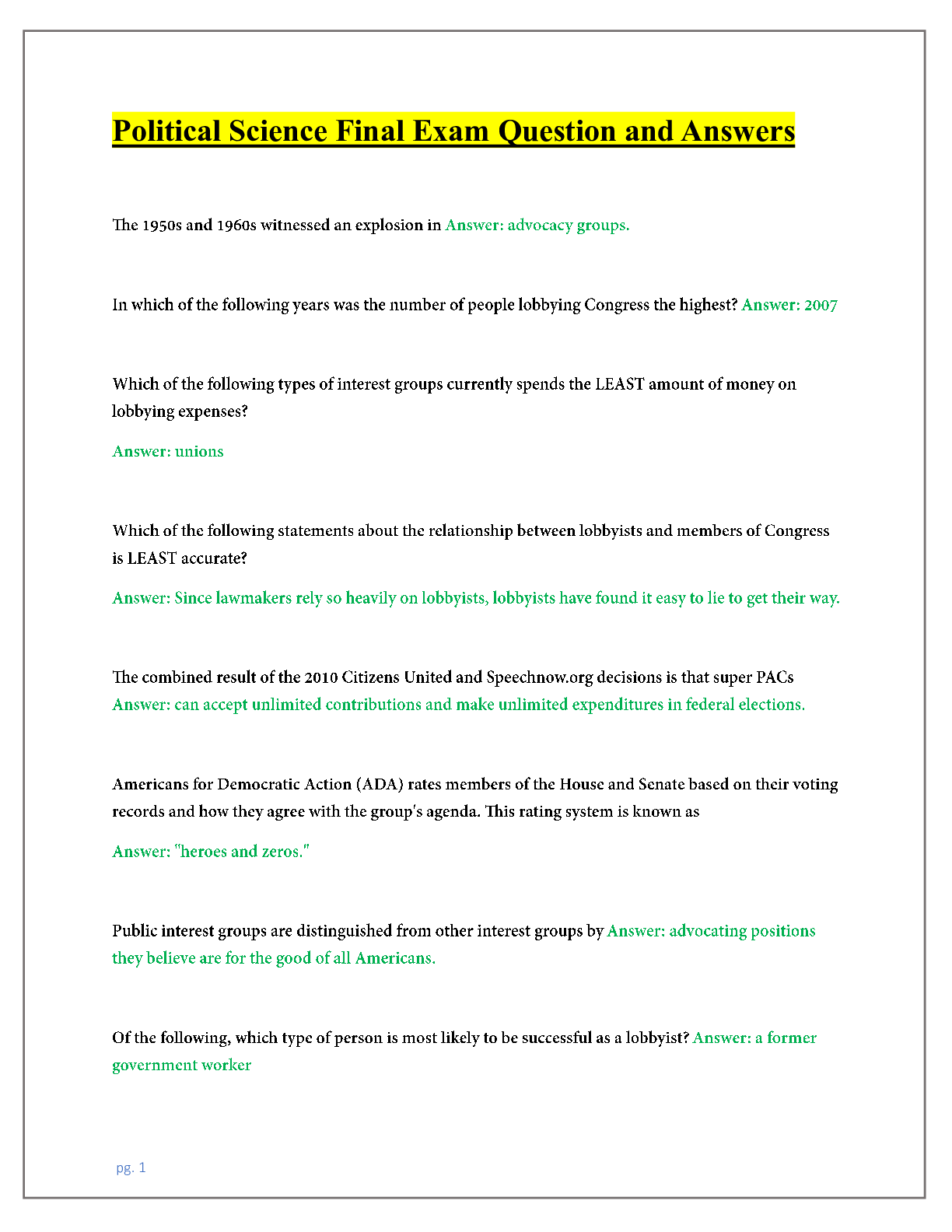

POLI 330N Final Exam Set 2 – Question and Answers (2019) Lates...
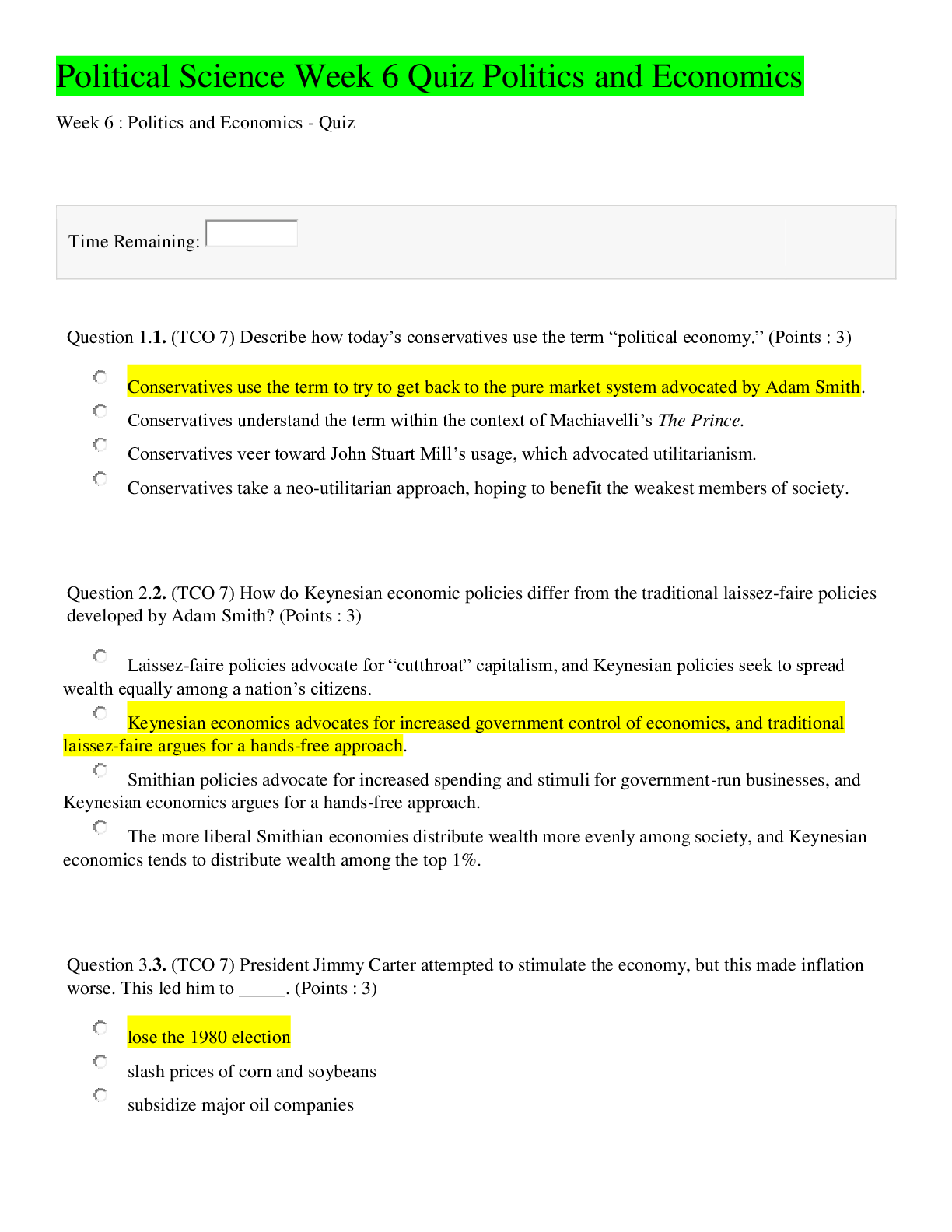
POLI 330N Week 6 Quiz (2) – Question and Answers (latest 2019...