Physics > QUESTIONS & ANSWERS > Nazarbayev University - PHYSICS 161Lab_8. (All)
Nazarbayev University - PHYSICS 161Lab_8.
Document Content and Description Below
Last updated: 3 years ago
Preview 1 out of 12 pages
Instant download

Buy this Document to get the Full Access Instantly
Provided by Students Who Aced it
We Verify Document Content to Gurantee Accuracy
Reviews( 0 )
Document information
Connected school, study & course
About the document
Uploaded On
Mar 19, 2021
Number of pages
12
Written in
All

Additional information
This document has been written for:
Uploaded
Mar 19, 2021
Downloads
0
Views
141
Document Keyword Tags
Recommended For You
Get more on QUESTIONS & ANSWERS »
Plasma Physics, 2e by Richard Fitzpatrick (Solutions Manual)

Introduction to Nuclear Reactor Physics 1st Edition By Robert...
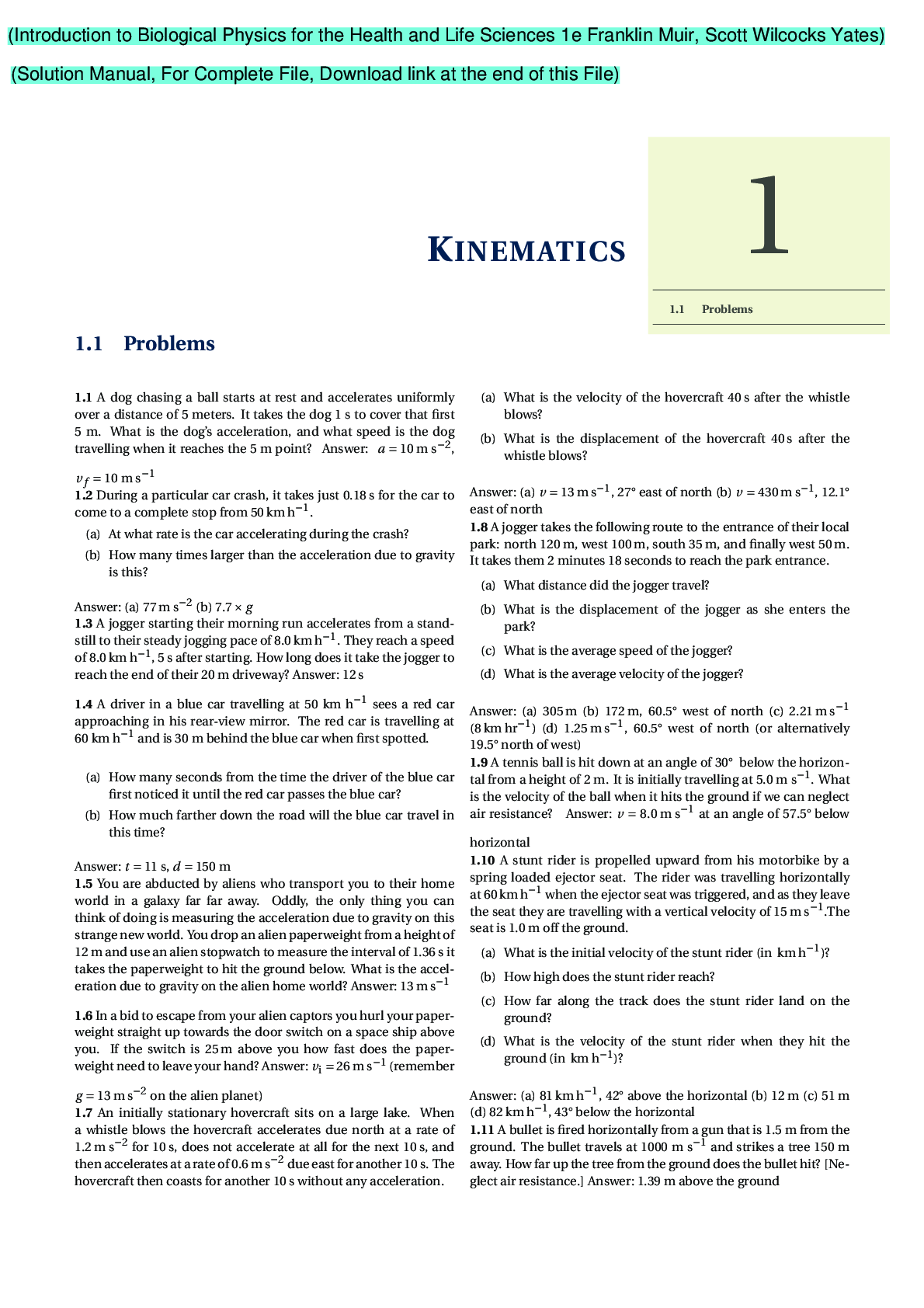
Introduction to Biological Physics for the Health and Life Sci...
Test Bank For College physics 6th Edition By Jerry D Wilson,A...
Test Bank For College Physics Reasoning and Relationships 1st...
![Preview of eBook [PDF] College Physics A Strategic Approach Plus Mastering Physics 4th Edition By Ran](https://scholarfriends.com/storage/Kg1C7KaB2026-05-08-11-3169fe48322ad11.png)

OXFORD A LEVEL Quantum physics OCR Physics A Exam-style mark s...