Pharmacology > Study Notes > DRUG MECHANISM (All)
DRUG MECHANISM
Document Content and Description Below
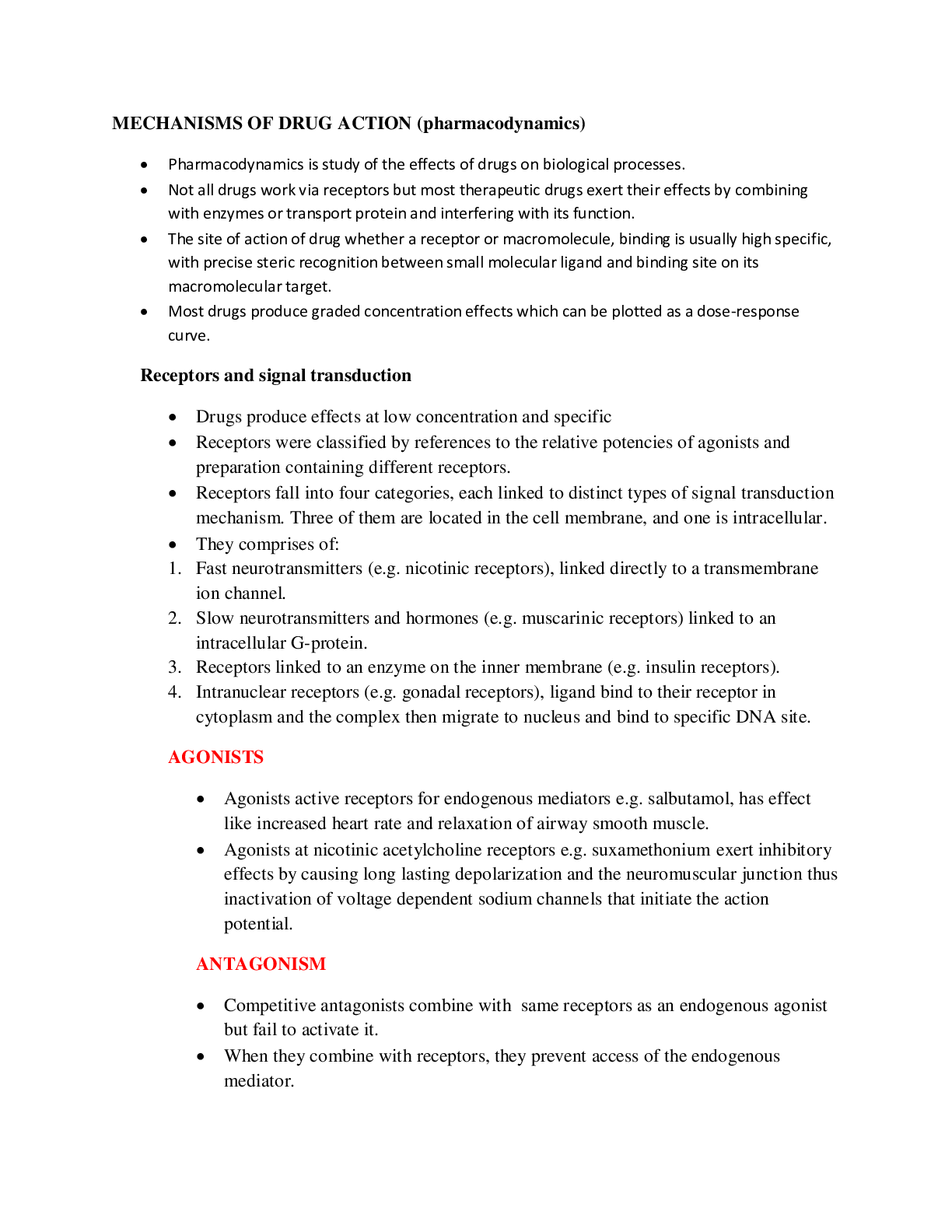
MECHANISMS OF DRUG ACTION (pharmacodynamics)
• Pharmacodynamics is study of the effects of drugs on biological processes.
• Not all drugs work via receptors but most therapeutic drugs exert their effects by combining w
...
[Show More]
Last updated: 3 years ago
Preview 1 out of 2 pages
Instant download
Buy this document to get the full access instantly
Instant Download Access after purchase
Reviews( 0 )
Document information
Connected school, study & course
About the document
Uploaded On
May 15, 2021
Number of pages
2
Written in
All

Additional information
This document has been written for:
Uploaded
May 15, 2021
Downloads
0
Views
432
Document Keyword Tags
Recommended For You
Get more on Study Notes »


$12
20 Pages
NUR2407 / NUR 2407 Midterm / Final Exam Study Guide (Latest):...
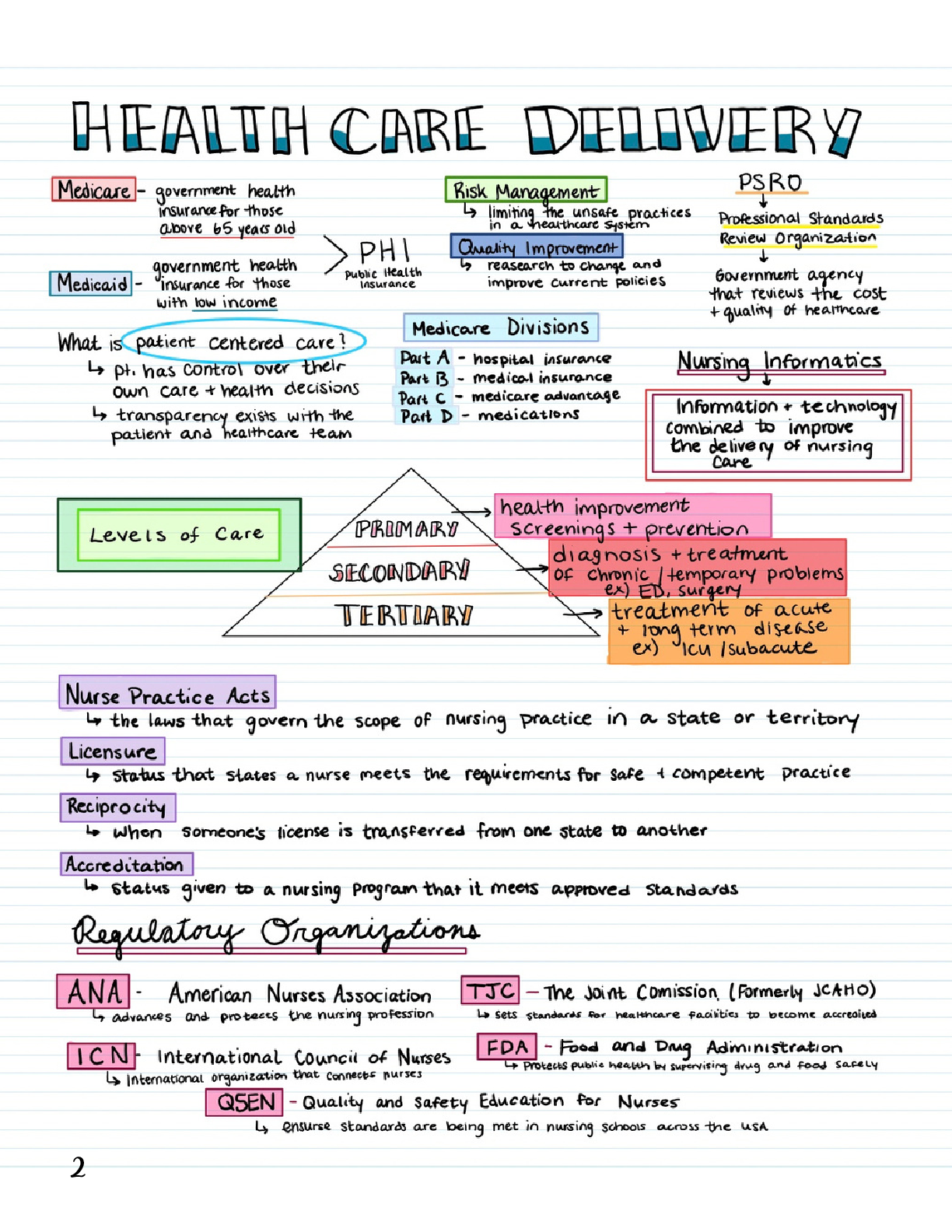
$19.5
20 Pages
Fundamentals of Nursing 21 Page Bundle - Nursing School Notes
$10
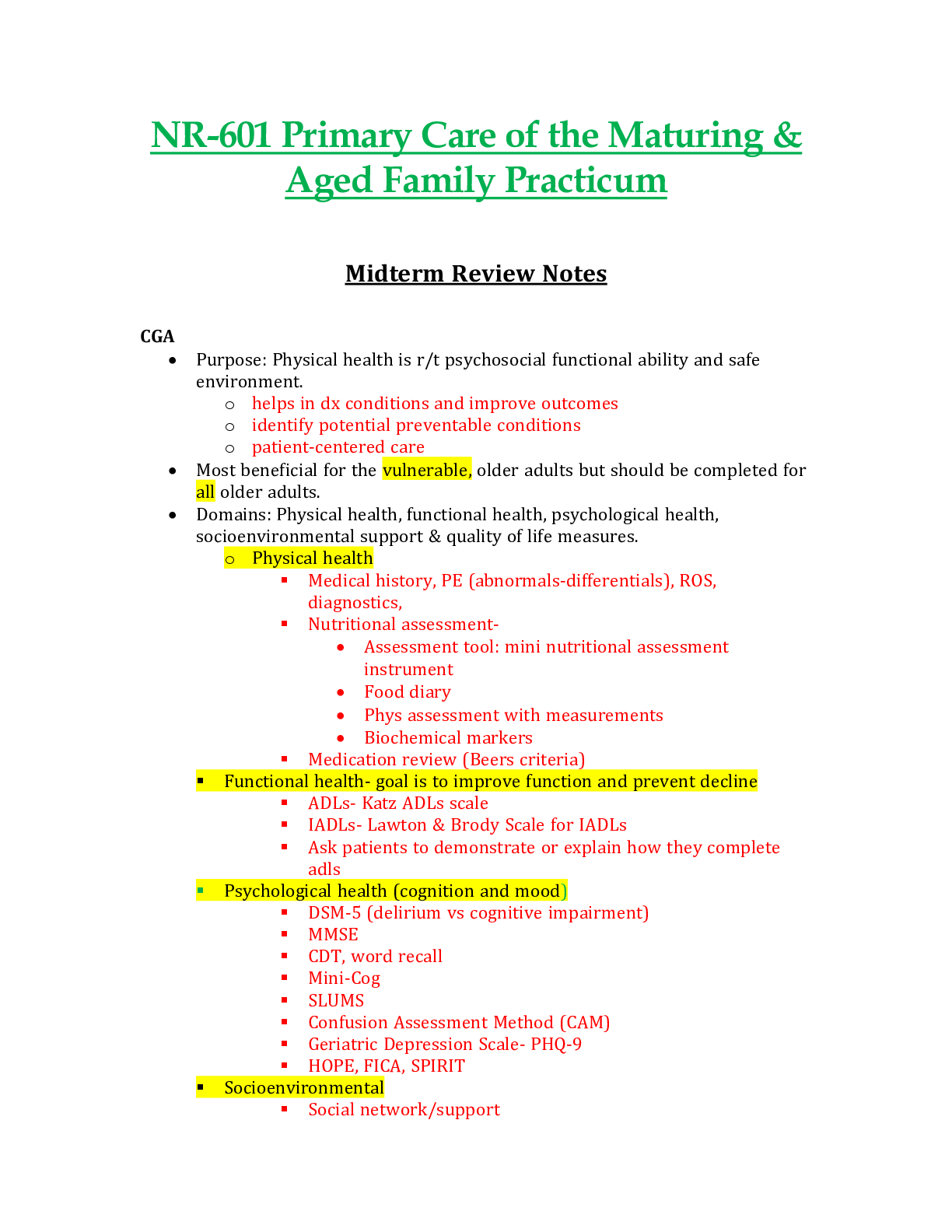
18 Pages
NR601 / NR-601 Midterm Review Notes Updated: Primary Care of t...

$11
27 Pages
NR601 / NR-601 Midterm Review Weeks 1 – 4 Notes Updated: Prima...

$11.5
137 Pages
NR 566 / NR566 Advanced Pharmacology Care of the Family Week 3...

$11
7 Pages
London MetBSC. IT G510MIS609 Data Management and Analytics stu...

$8
4 Pages
Columbia High School, Lake CityPOLS INTERNATIOWorld Politics N...

More related documents below

