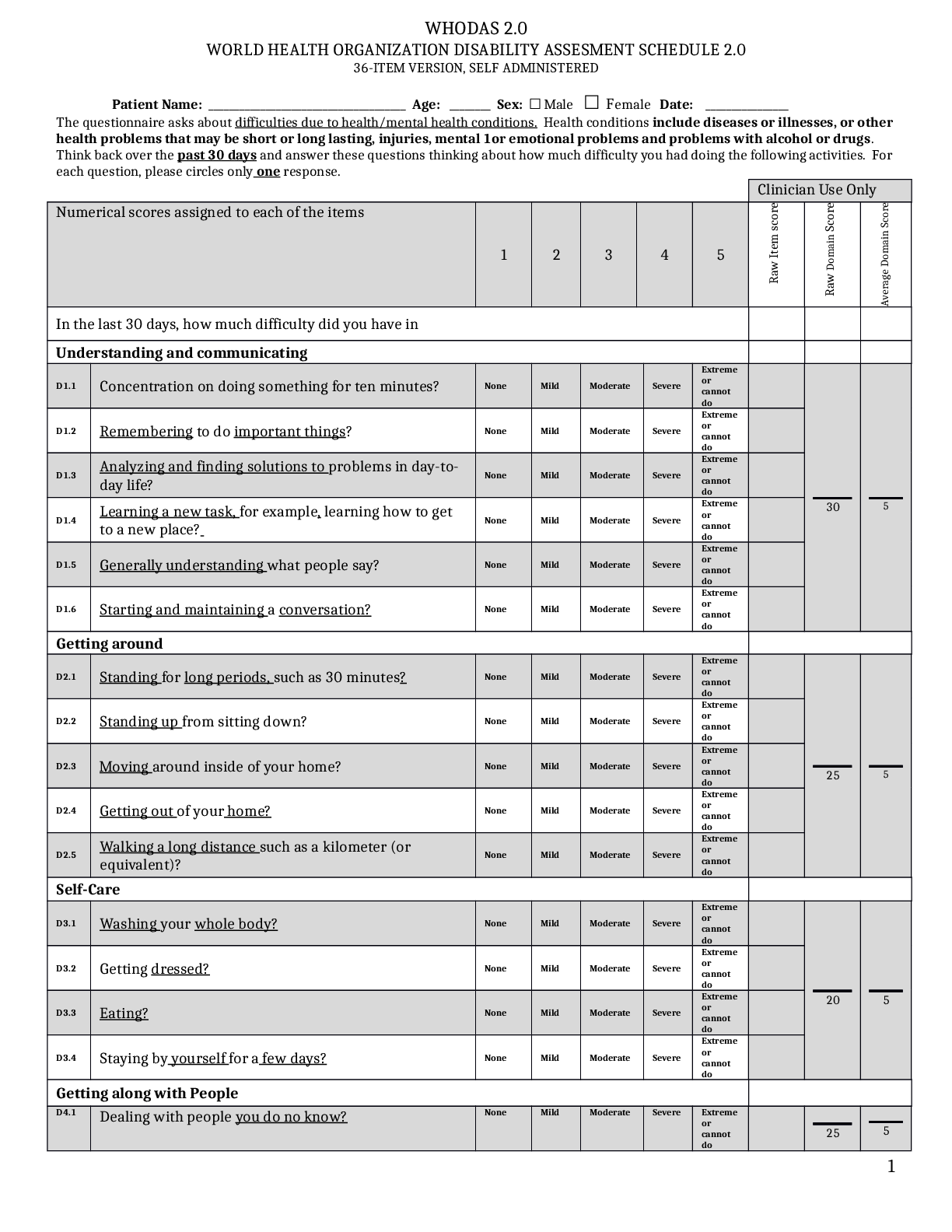
PHYSCIAL E 1346 Waves Unit 2, Worksheet 5
Document Content and Description Below
Jacksonville College
PHYSCIAL E 1346
Waves Unit 2, Worksheet 5
1. The illustration below shows a series of transverse waves. Label each part in the space provided.
Fill in the blanks:
2. Waves carry f
...
[Show More]
Last updated: 1 month ago
Preview 2 out of 3 pages
Instant download

Loading document previews ...
Buy this document to get the full access instantly
Instant Download Access after purchase
Reviews( 0 )
Document information
Connected school, study & course
About the document
Uploaded On
Apr 16, 2026
Number of pages
3
Written in
All

Additional information
This document has been written for:
Uploaded
Apr 16, 2026
Downloads
0
Views
15
Document Keyword Tags
Recommended For You
Get more on WORKSHEET »
$22
713 Pages
Test Bank for Physics for Scientists and Engineers A Strategic...

$25
100 Pages
Plasma Physics, 2e by Richard Fitzpatrick (Solutions Manual)

$25
37 Pages
College Physics, 3e Roger Freedman, Todd Ruskell, Philip Keste...

$25
79 Pages
A Concise Introduction to Thermodynamics for Physicists, 1e by...
$15
234 Pages
Test Bank for Fundamental Accounting Principles Volume 1 17th...
$8.5
5 Pages
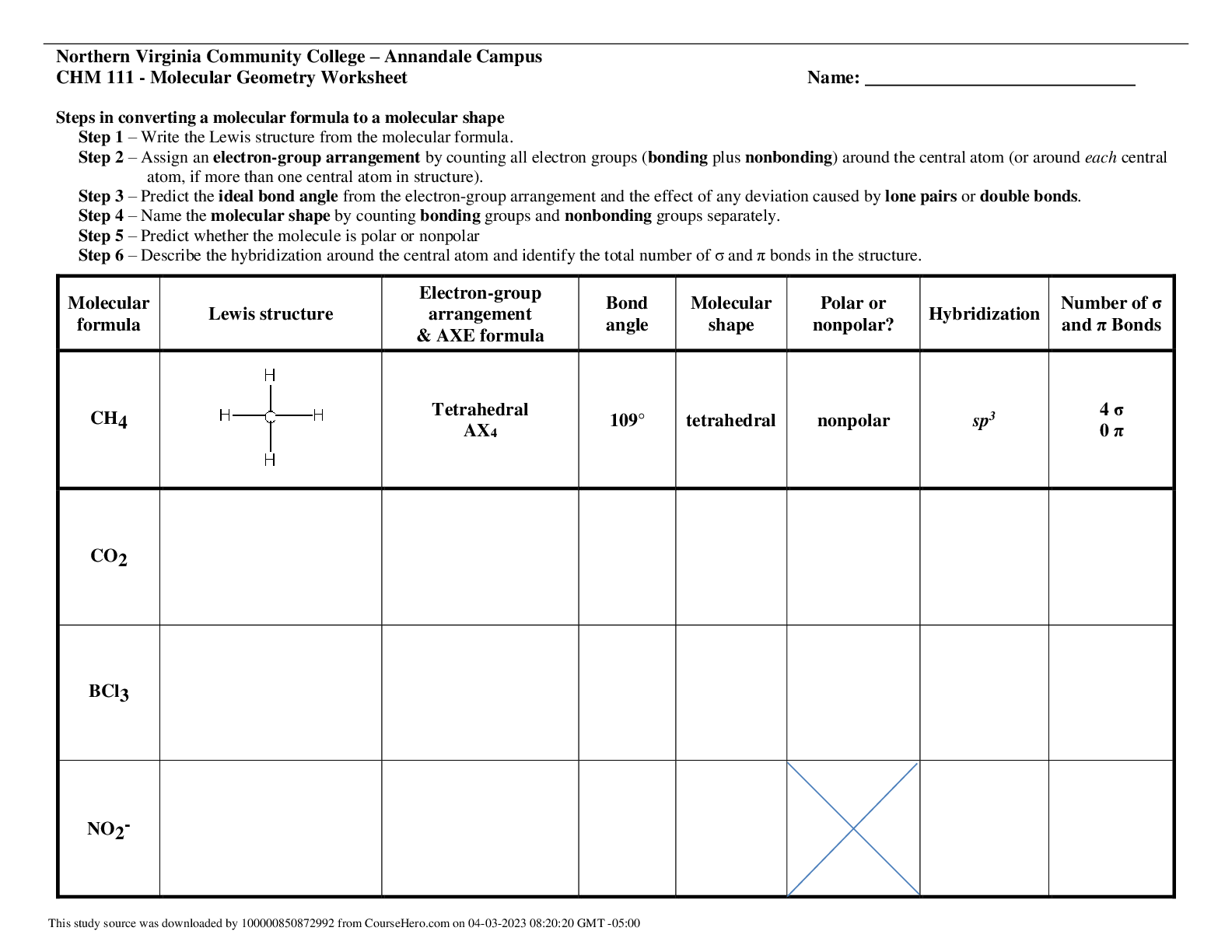
Northern Virginia Community College – CHM 111 Chemistry 1 - M...
$10
11 Pages
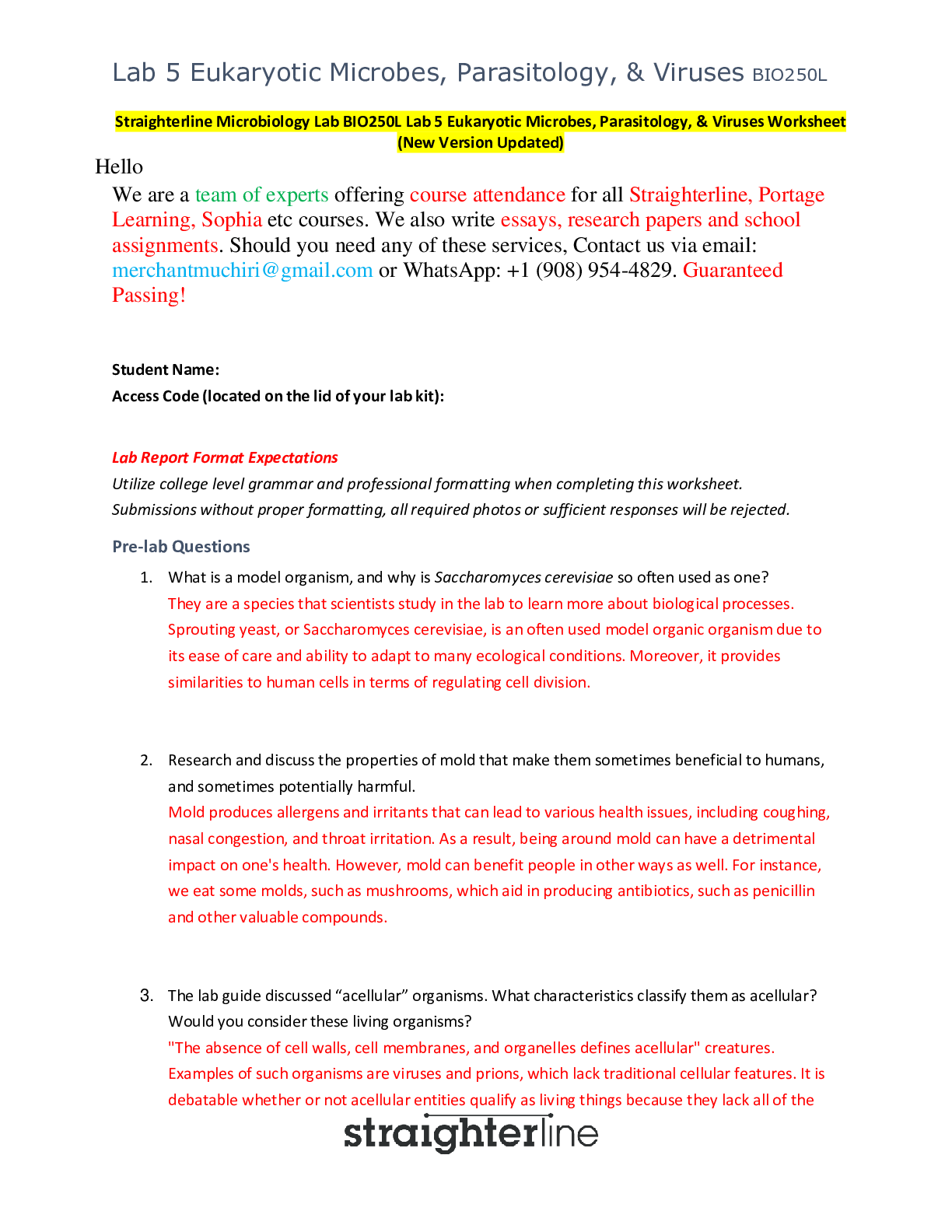
Straighterline Microbiology Lab BIO250L Lab 5 Eukaryotic Micro...
$5
2 Pages
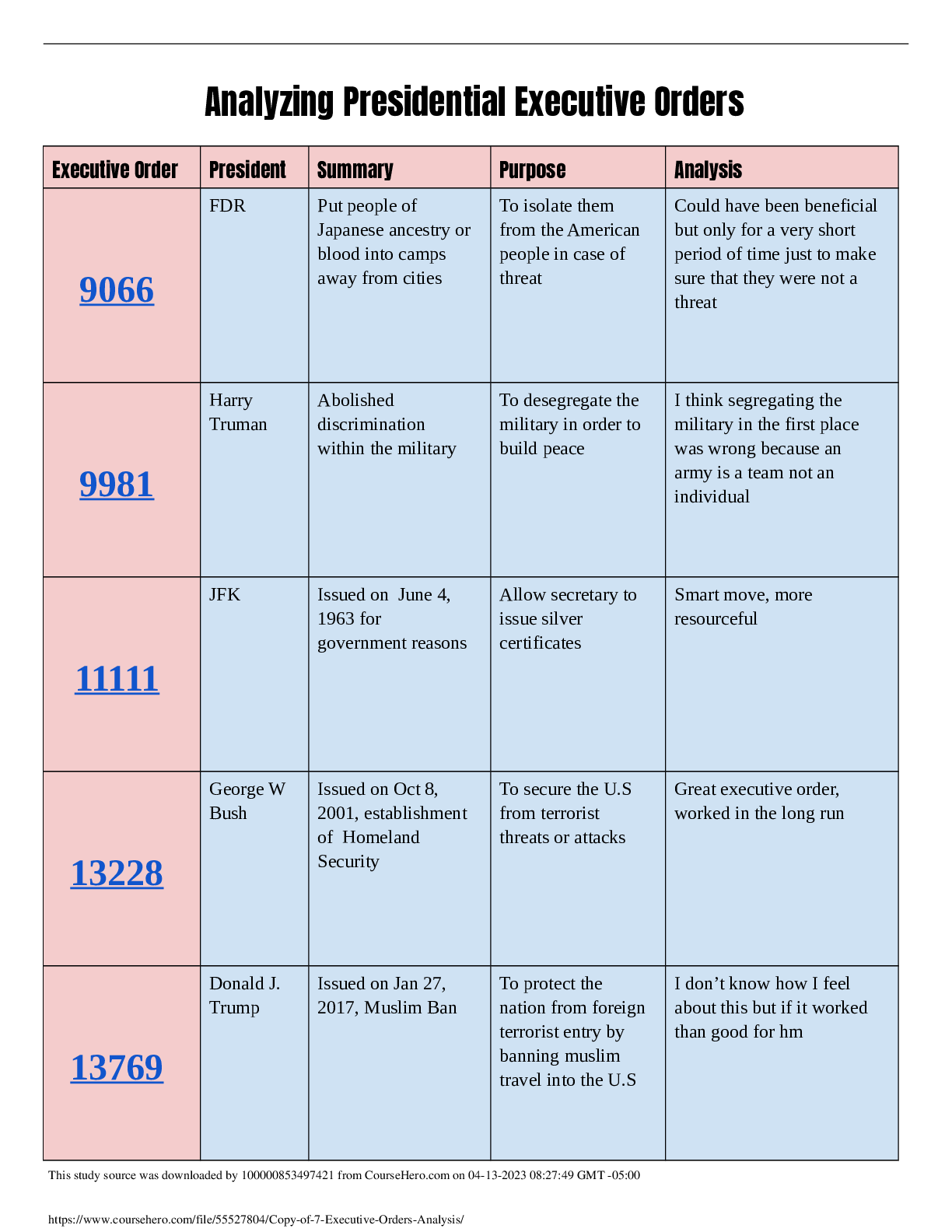
HISTORY - Analyzing Presidential Executive Orders: Executive O...


$11
4 Pages
ENGL 140 (Written Communication) INFORMATIVE SPEECH (Maintai...
$10
13 Pages