INSTANT PDF DOWNLOAD — This comprehensive exam package is specifically designed for Walden University graduate nursing students preparing for the Midterm and Final Exams in NURS 6501 / NURS6501: Advanced Pathophysiology
...
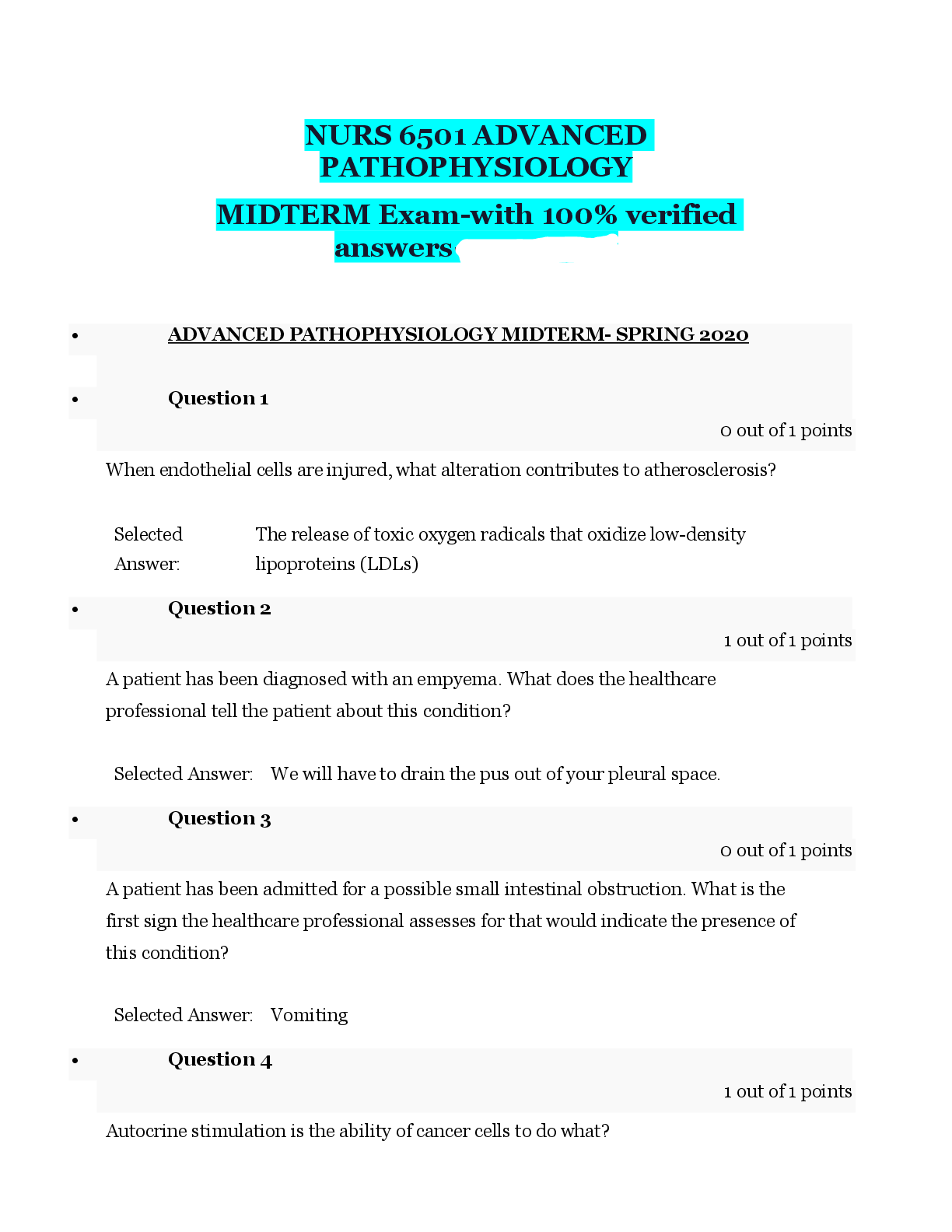
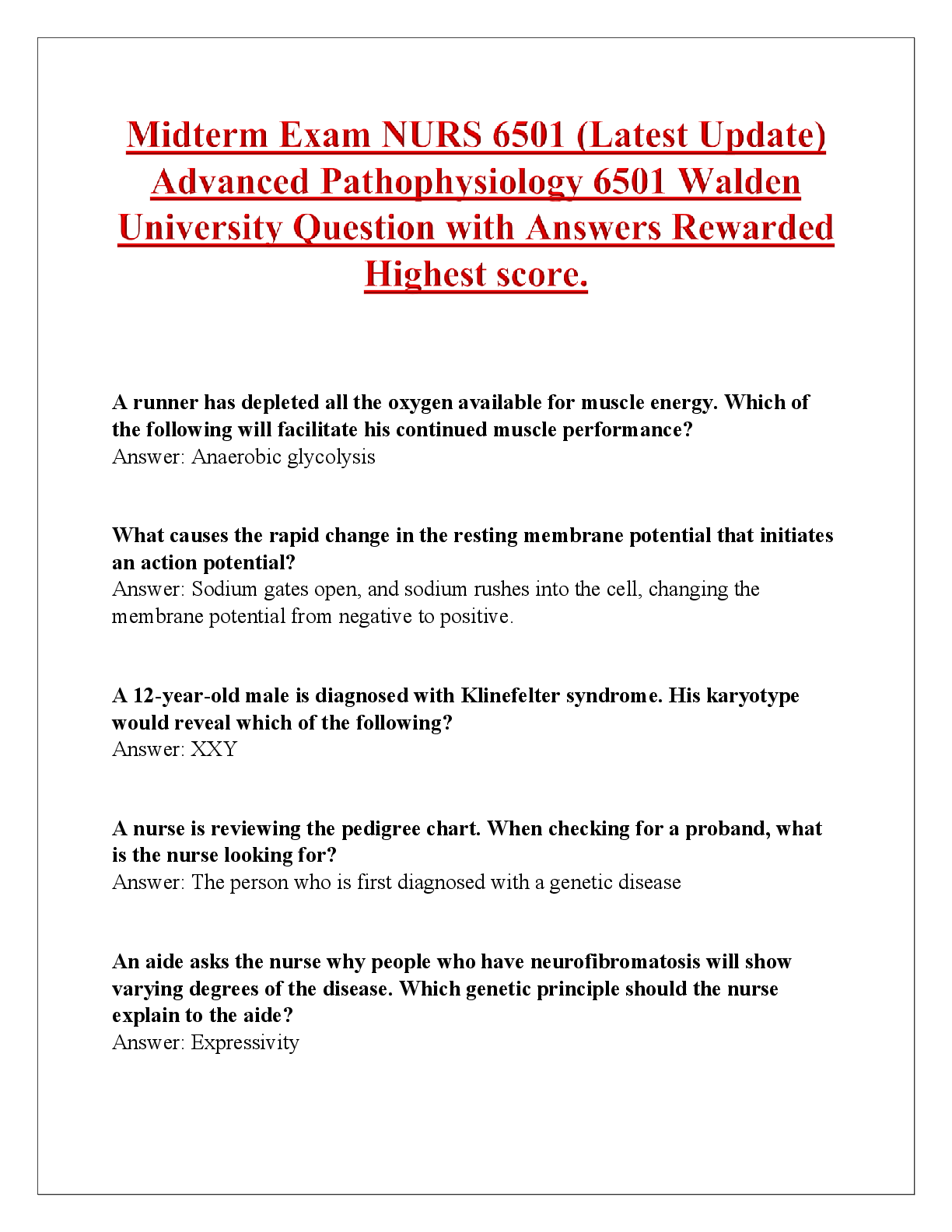
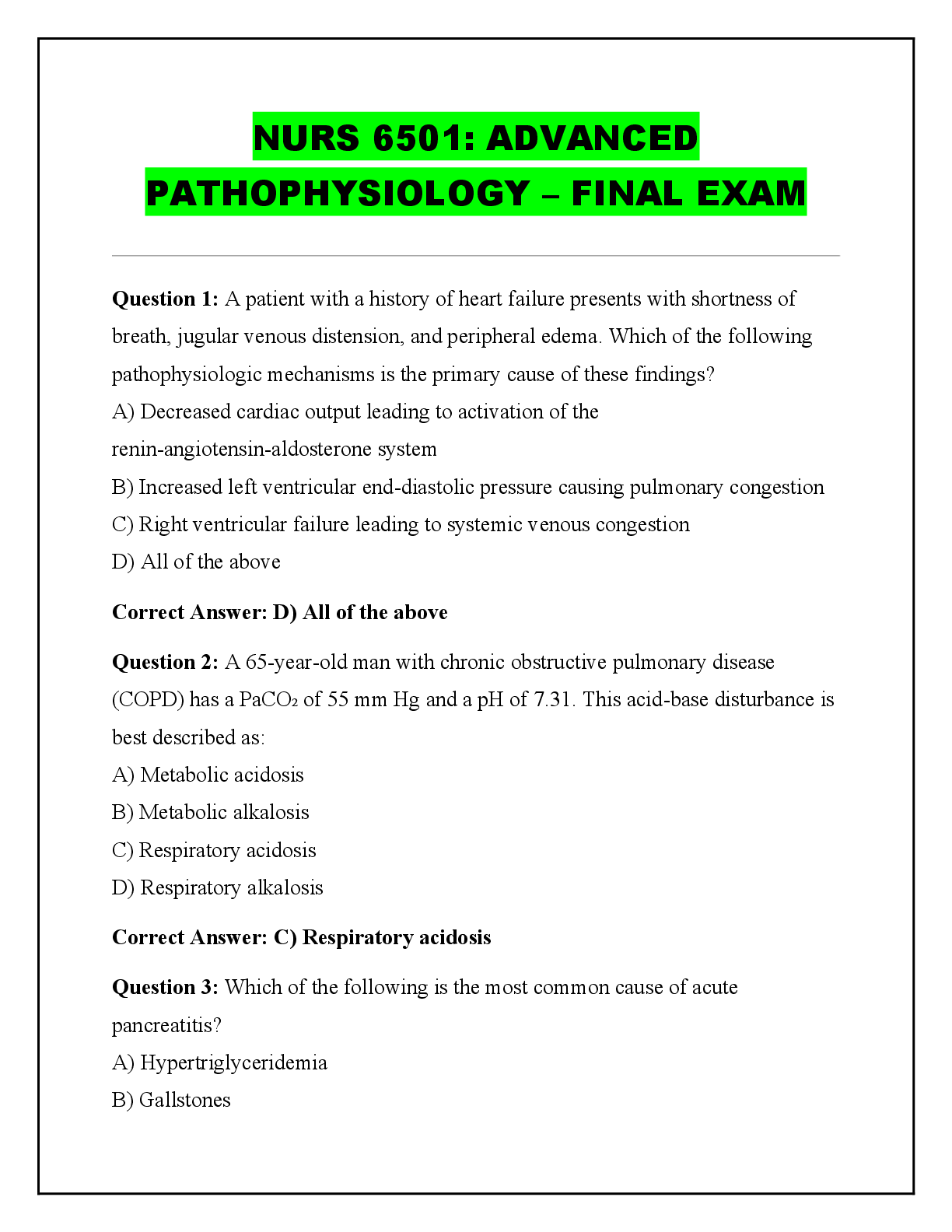
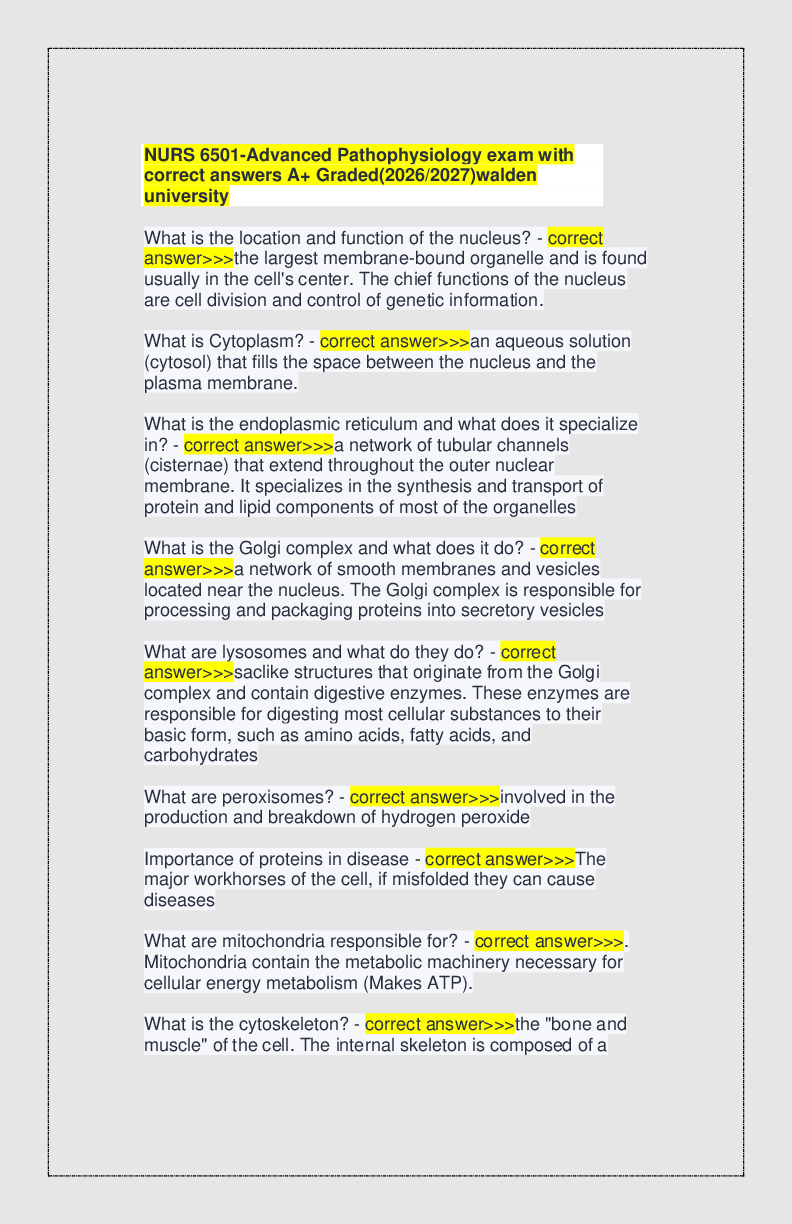
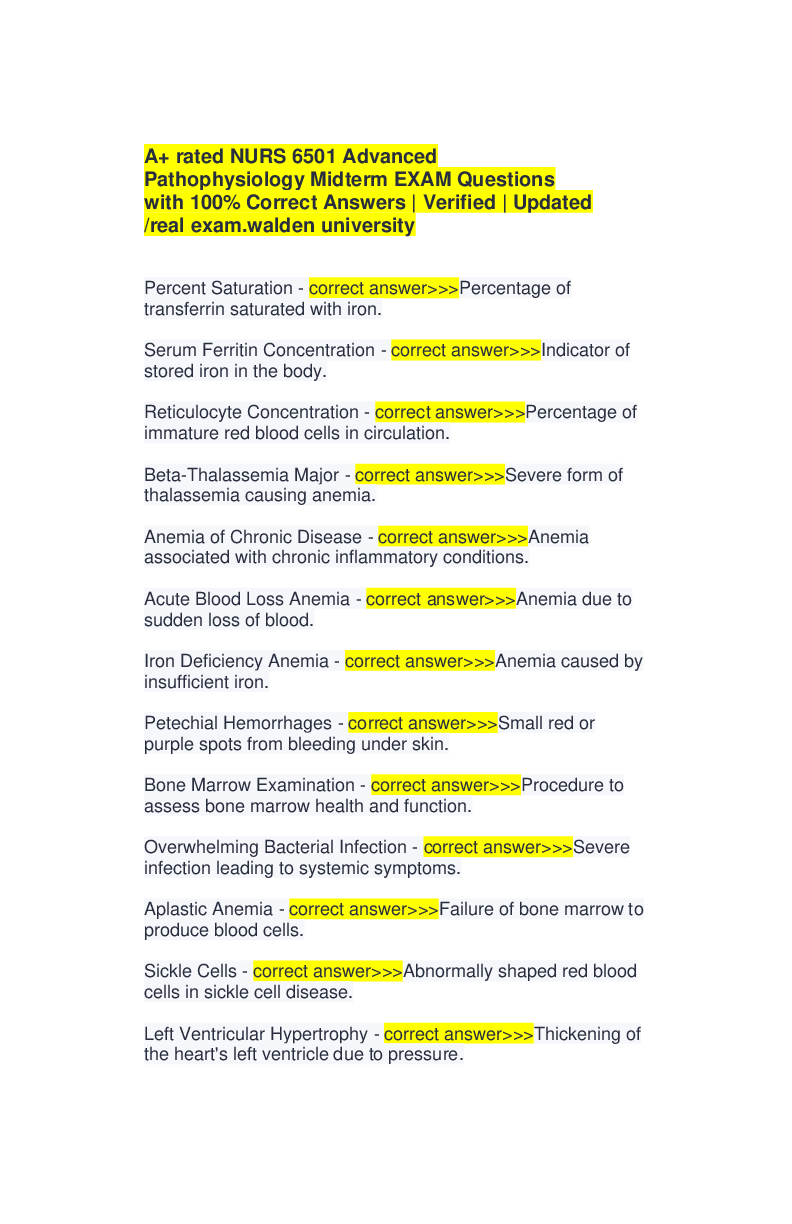
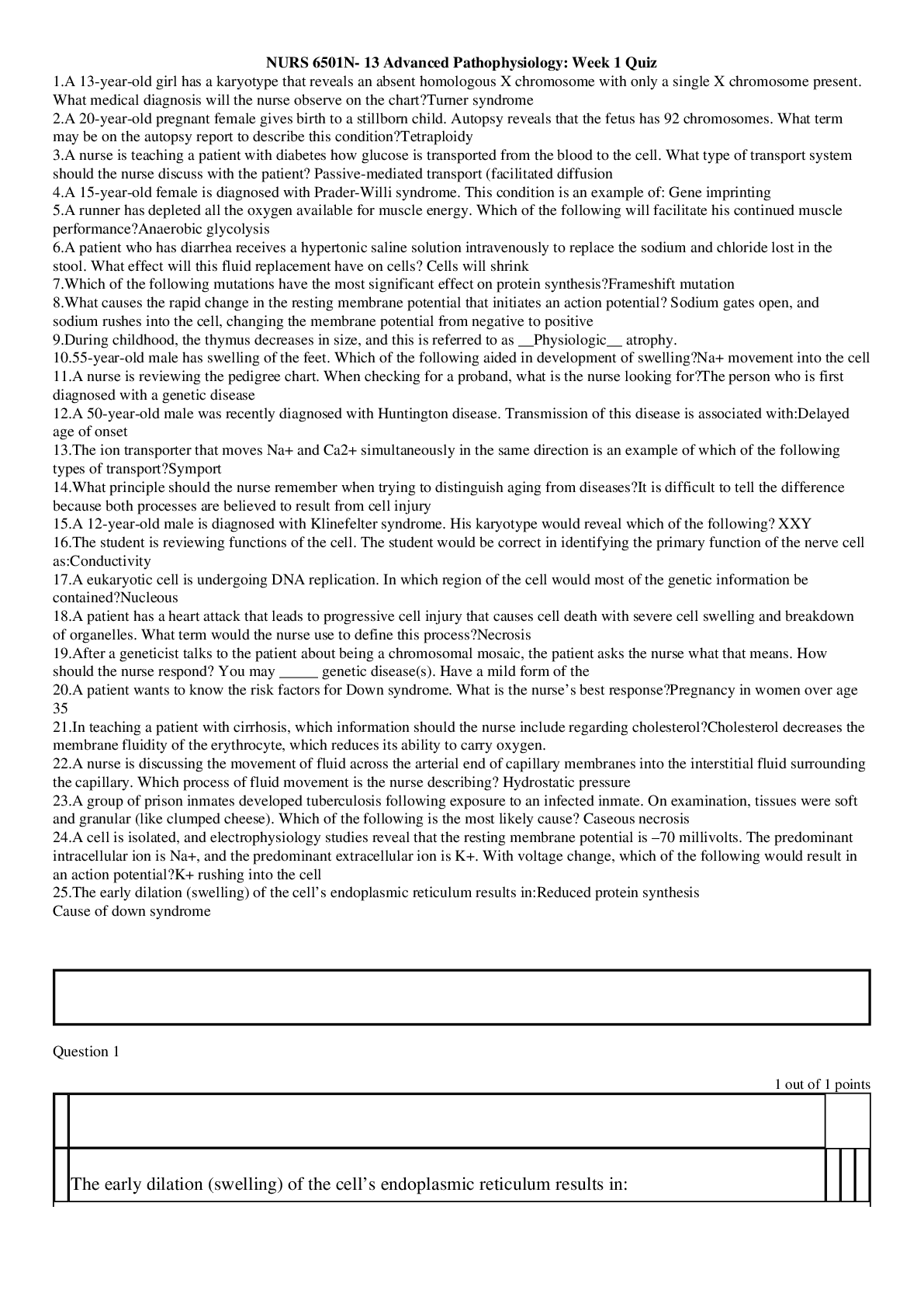
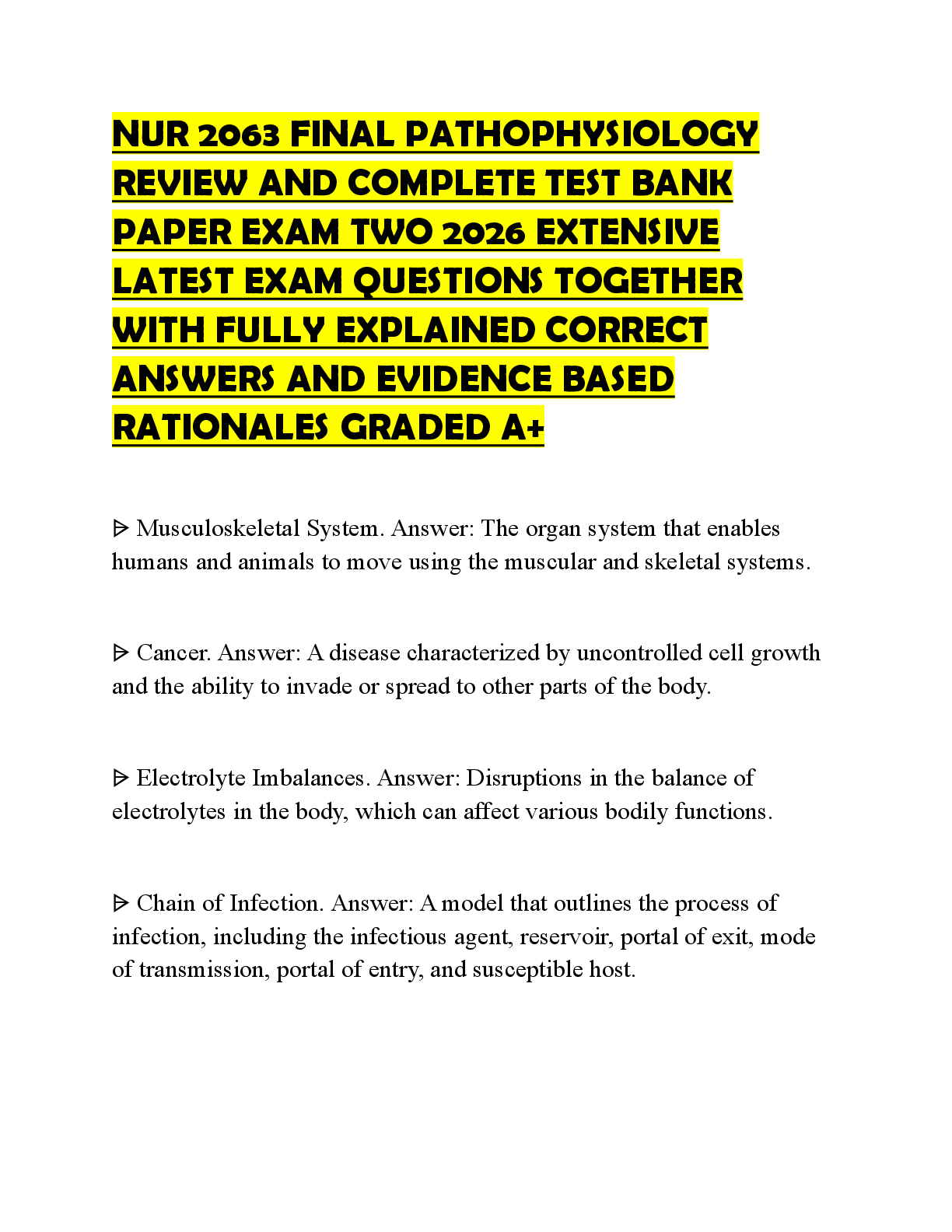
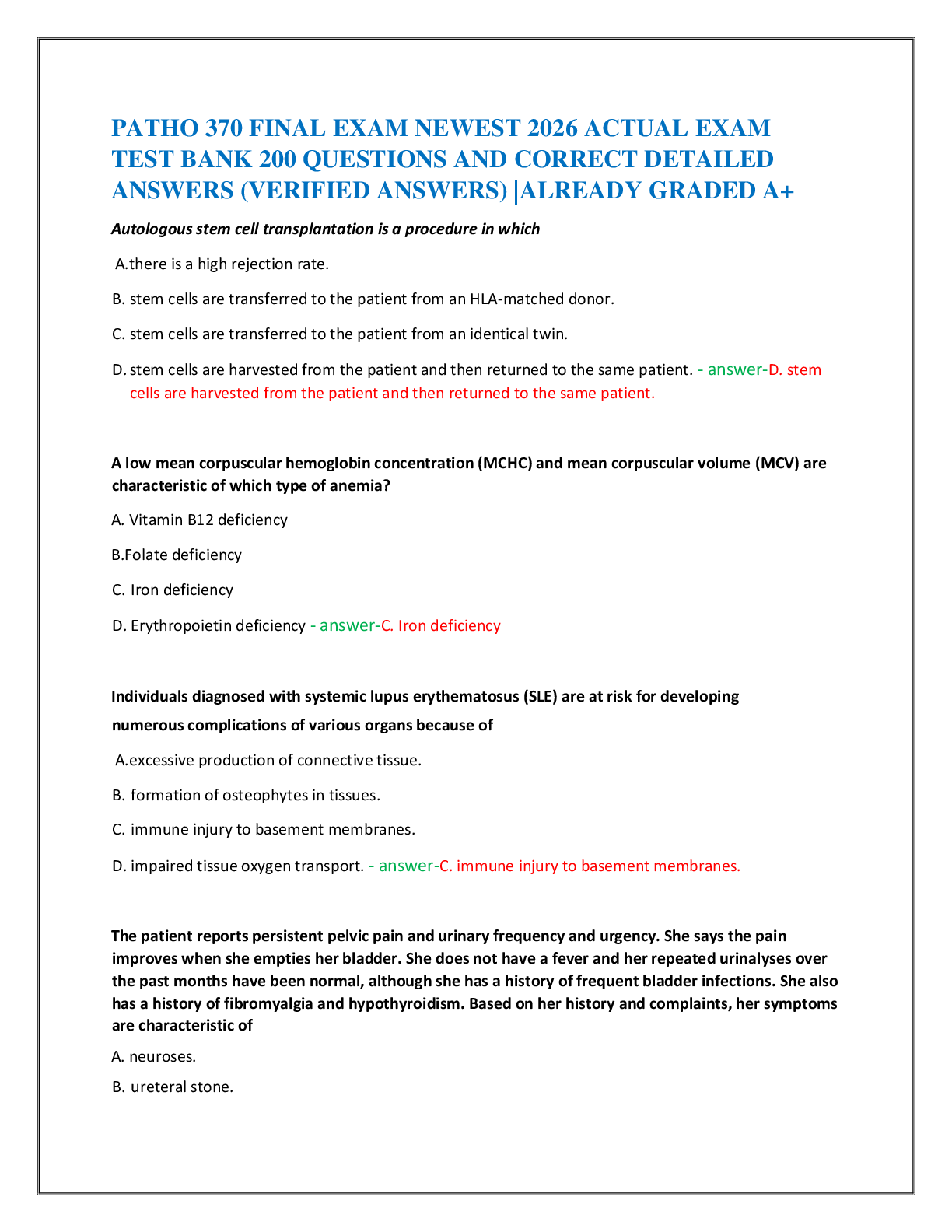
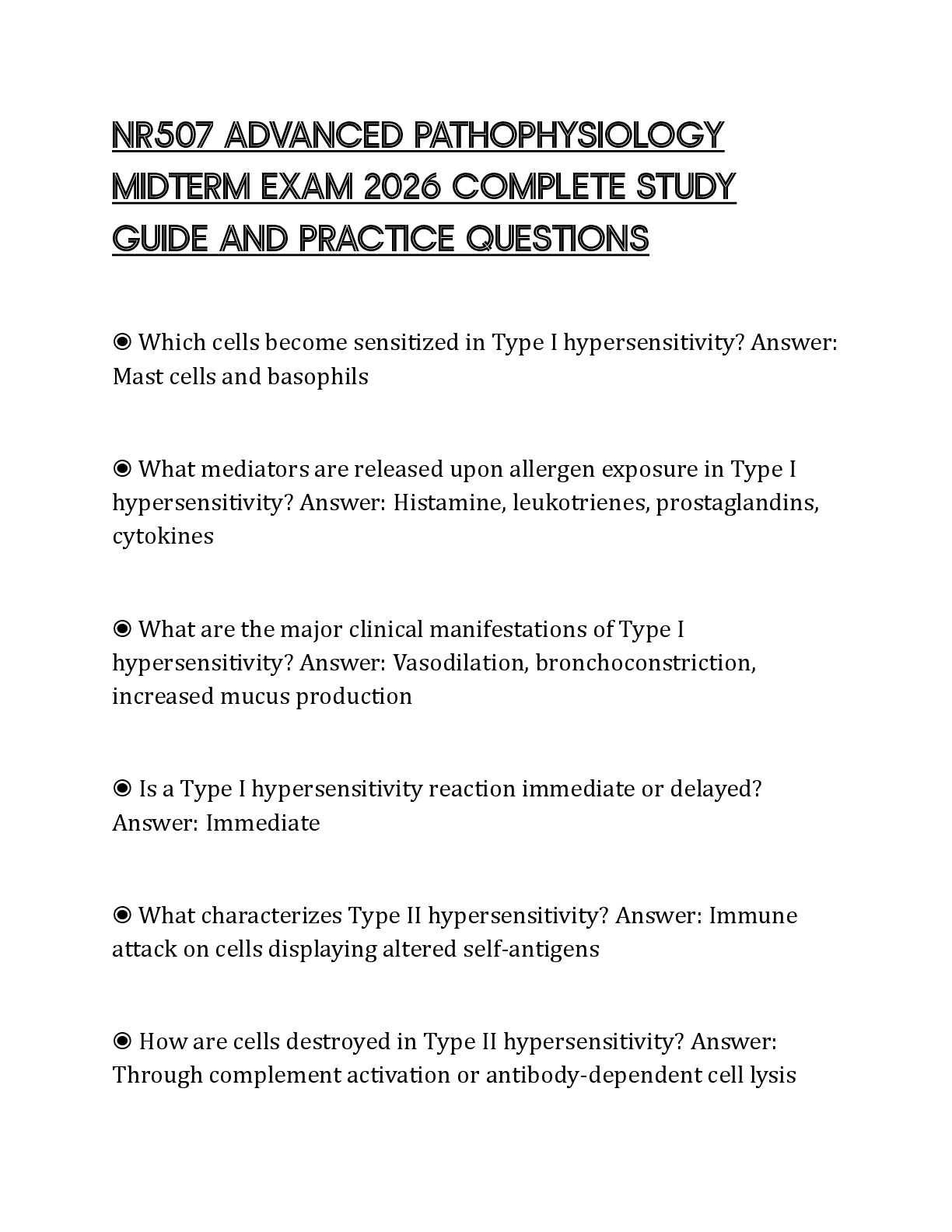
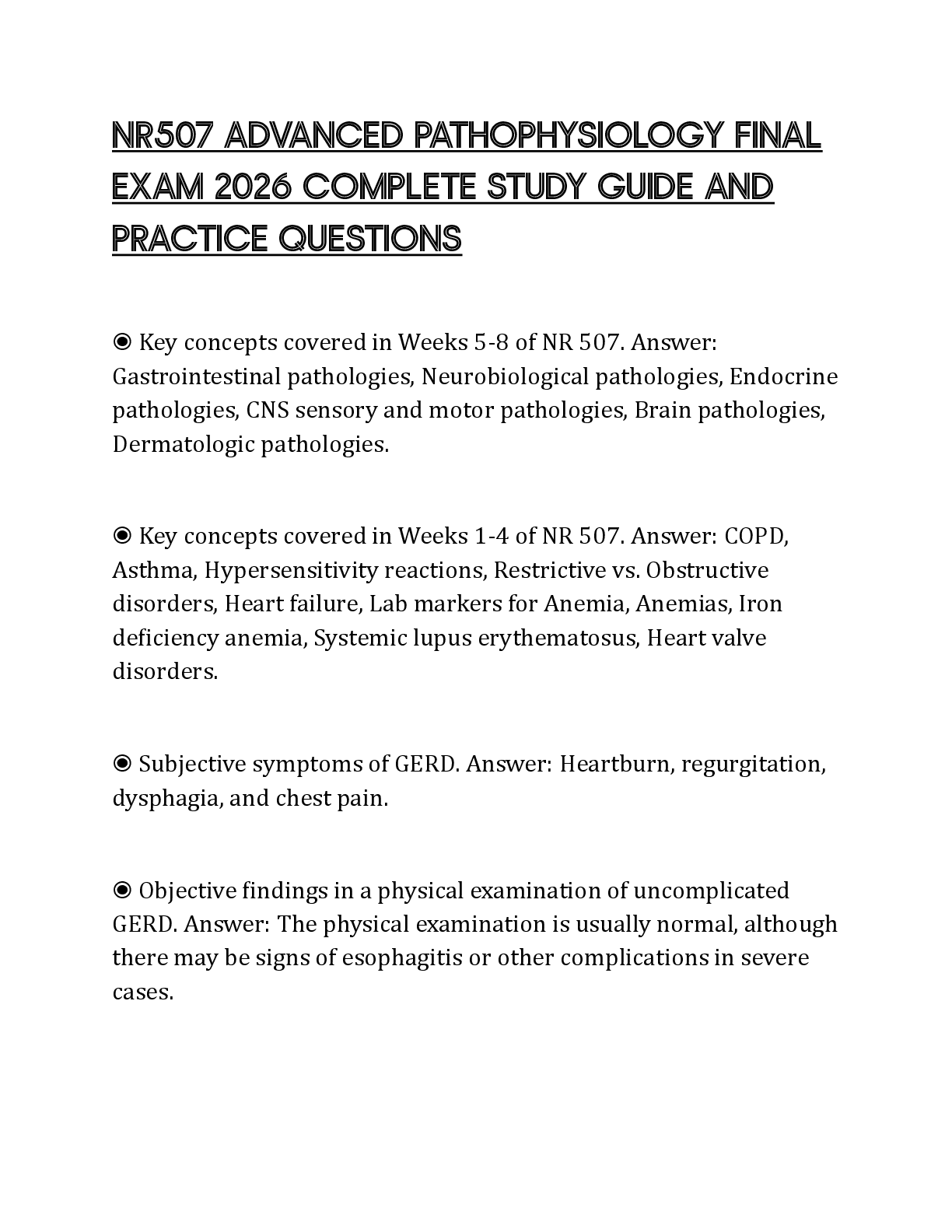
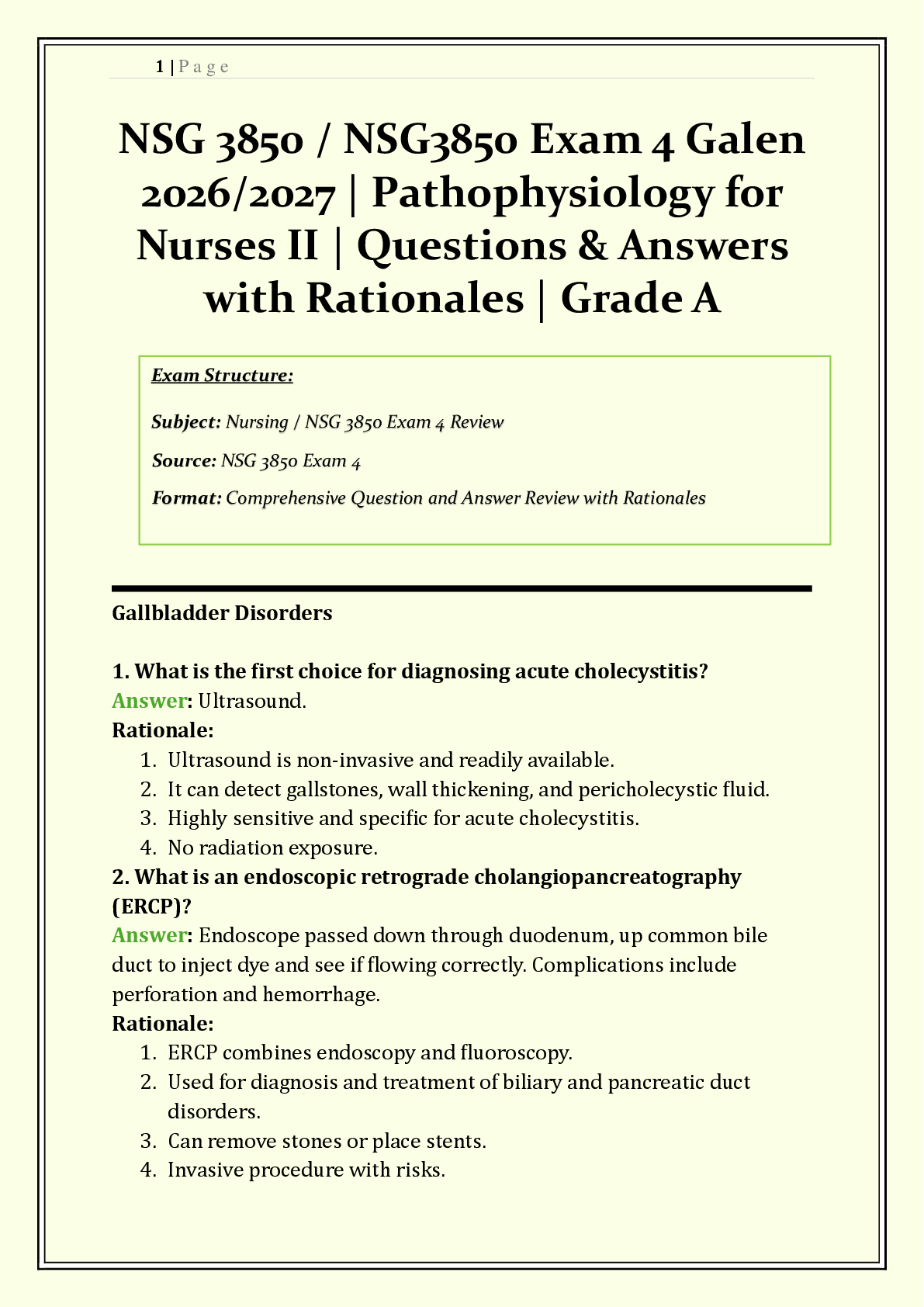
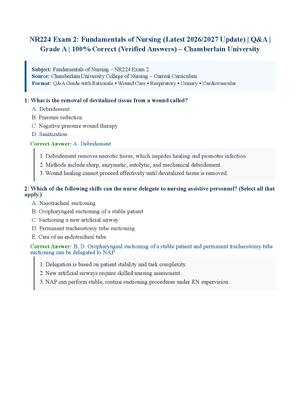
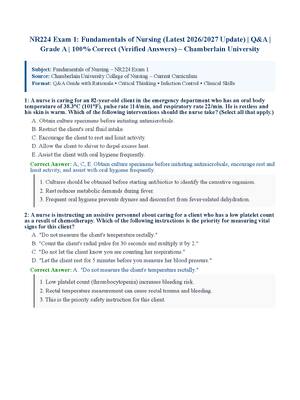
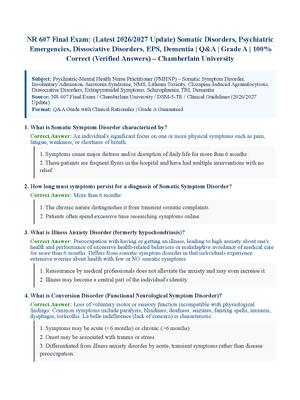
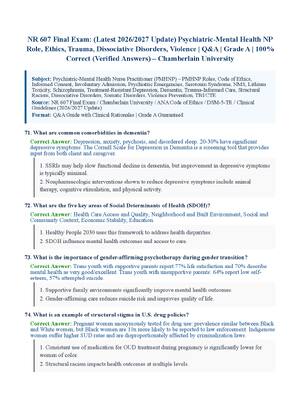
INSTANT PDF DOWNLOAD — This comprehensive exam package is specifically designed for Walden University graduate nursing students preparing for the Midterm and Final Exams in NURS 6501 / NURS6501: Advanced Pathophysiology for the 2025/2026 academic year . This resource contains two complete exam sets with 100+ expertly verified questions per exam and detailed rationales to help you master core concepts and achieve a top score (Grade A+) .
This comprehensive test bank covers all major topics tested on both the Midterm (Week 6) and Final (Week 11) exams across all body systems :
Cellular & Genetic Pathophysiology
Hypoxia pathophysiology: decreased oxygen availability impairs mitochondrial electron transport chain, leading to ATP depletion and Na+/K+ ATPase pump failure
Apoptosis vs. necrosis: apoptosis features chromatin condensation and no inflammation; necrosis includes karyorrhexis, pyknosis, and cellular swelling
Cellular adaptation: hypertrophy in cardiac myocytes from increased functional demand (pressure overload)
Genetic disorders: Down syndrome from maternal nondisjunction; Turner syndrome (XO) with short stature, widely spaced nipples, reduced carrying angle; Klinefelter syndrome (XXY)
Epigenetics: DNA hypermethylation silences tumor suppressor genes in cancer pathogenesis
Fluid, Electrolyte & Acid-Base Balance
Extracellular cation: sodium (predominant); potassium/sodium transport via ATPase enzyme
Electrolyte imbalances: hyperkalemia in CKD; hypokalemia in vomiting; hypermagnesemia from antacid use
Acid-base disorders: metabolic acidosis in DKA (ketoacids) and diarrhea (bicarbonate loss); metabolic alkalosis in vomiting (acid loss); respiratory acidosis in COPD; respiratory alkalosis in hyperventilation
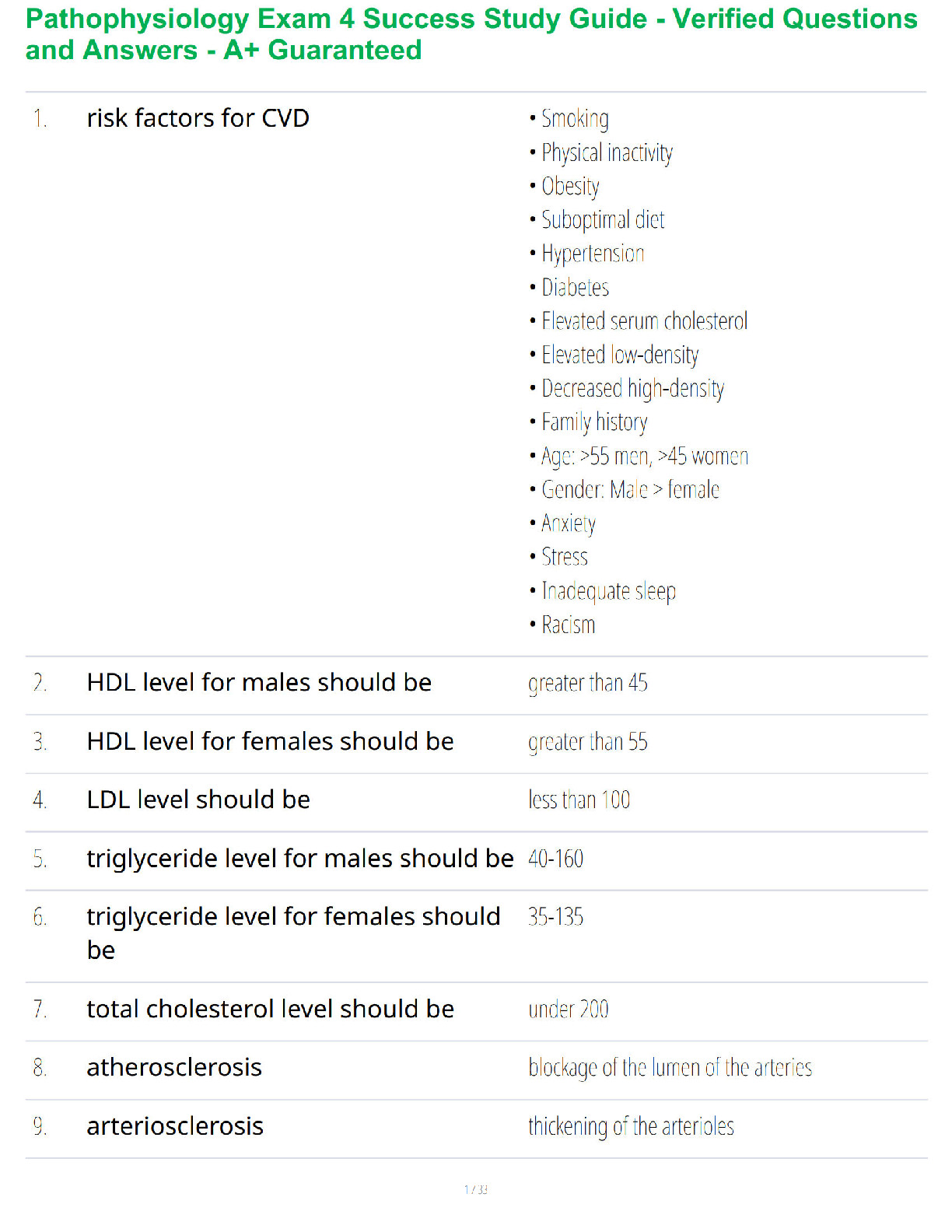
Cardiovascular Pathophysiology
Heart failure: pulmonary edema from left ventricular dysfunction; right heart failure with elevated JVP
Myocardial ischemia: atherosclerosis as primary cause; infarction with myocardial necrosis
Valve disorders: aortic regurgitation with backflow into left ventricle; mitral valve prolapse most common in young women
RAAS: angiotensin II causes vasoconstriction; aldosterone promotes sodium retention and potassium excretion
Respiratory Pathophysiology
ARDS: alveolar-capillary membrane disruption via endothelial glycocalyx shedding (COVID-19 related)
Asthma: IgE-mediated, eosinophils central to airway inflammation, reversible airflow obstruction
Pulmonary embolism: obstruction causes right heart strain and increased pulmonary resistance
Oxygen-hemoglobin dissociation: left shift with increased pH (alkalosis) increases hemoglobin's oxygen affinity
Neurological Pathophysiology
Alzheimer's disease: amyloid-beta plaques, neurofibrillary tangles; gut-brain axis with LPS translocation promoting neuroinflammation
Parkinson's disease: dopamine deficiency; L-DOPA-induced dyskinesia from aberrant D1-D2 receptor heterodimerization
Multiple sclerosis: autoimmune demyelination disrupting nerve conduction
Ischemic stroke: thrombus/embolus blocking cerebral blood flow
Endocrine Pathophysiology
Type 1 diabetes: autoimmune destruction of pancreatic beta cells
Type 2 diabetes: insulin resistance from defective receptor activity
Diabetic ketoacidosis: metabolic acidosis from ketoacid accumulation
Diabetic nephropathy: hyperglycemia-induced TGF-β/Smad signaling in podocytes
Parathyroid hormone: secreted in response to low blood calcium
Renal Pathophysiology
Acute kidney injury: oliguria (sudden decreased urine output) as hallmark sign
Chronic kidney disease: hyperkalemia from impaired potassium excretion
Nephrotic syndrome: proteinuria from loss of glomerular filtration barrier
Nephritic syndrome: hematuria and RBC casts from glomerular inflammation
Erythropoietin: produced by kidneys to stimulate RBC production
Immunological Pathophysiology
Hypersensitivity: Type I anaphylaxis (IgE-mediated); Type IV delayed T-cell mediated
Systemic lupus erythematosus: anti-nuclear antibodies (ANA); anti-ribosomal P antibodies associated with neuropsychiatric symptoms
Cytokines: IL-1 induces fever; TNF-α in SIRS and widespread inflammation
Gastrointestinal Pathophysiology
Peptic ulcer disease: Helicobacter pylori infection as most common cause
Cirrhosis: portal hypertension from fibrosis; hypoalbuminemia from damaged hepatocytes
Wilson's disease: copper accumulation primarily affecting liver
Ulcerative colitis: superficial mucosal inflammation with continuous spread
Sample Questions Include:
Which electrolyte imbalance is most commonly associated with chronic kidney disease? (Hyperkalemia)
What is the primary cause of metabolic acidosis in diabetic ketoacidosis? (Ketoacids from fat metabolism)
Which autoantibody is most strongly associated with lupus cerebritis via blood-brain barrier disruption? (Anti-ribosomal P protein)
In cystic fibrosis, the F508del-CFTR mutation primarily causes defective anion transport. What secondary mechanism contributes to mucociliary clearance failure? (Upregulation of ENaC channels)
What is the hallmark morphologic feature of necrosis in tissues exposed to severe bacterial toxins? (Liquefactive necrosis with pus formation)
How are potassium and sodium transported across plasma membranes? (By adenosine triphosphate enzyme/ATPase)
What is the most common cause of Down syndrome? (Maternal nondisjunction)
What causes the rapid change in the resting membrane potential that initiates an action potential? (Sodium gates open, sodium rushes into cell, changing membrane potential from negative to positive)
DOCUMENT ACCESS:
This exam package is available as an instant digital download (PDF) immediately upon purchase. Fully text-searchable, printable, and accessible anytime through your user account. 100% satisfaction guarantee. Trusted by thousands of Walden graduate nursing students for exam preparation and mastering advanced pathophysiology competencies .
[Show More]